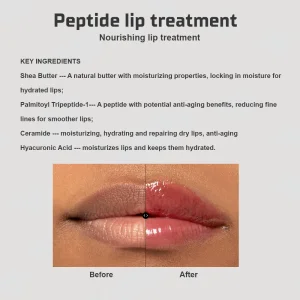
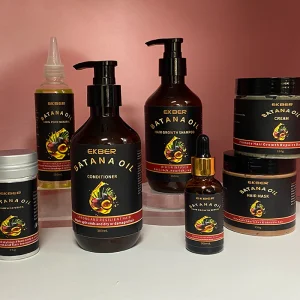
These ready-formulated barrier repair solutions are optimized for stability under high UV indices and humidity, serving as premium additions for Indian derma-brands.
The dermatological and personal care ecosystem in India is undergoing a profound paradigm shift. Historically centered around fairness creams and basic hydration, the contemporary Indian consumer—fueled by rising digital literacy and access to active ingredient consciousness—now demands targeted solutions addressing the stratum corneum (SC) barrier integrity. This shift has accelerated the demand for skin barrier repair treatments across India's tier-1 and tier-2 metropolitan regions.
India’s diverse microclimates present unique challenges for formulation stability. From the extreme dry heat of the northern plains to the intense tropical humidity of the southern and coastal zones, skin barrier disruption manifests uniquely. High ambient dust and particulate matter (PM2.5) act as physical stress factors, stripping lipids from the skin surface and escalating conditions such as atopic dermatitis, rosacea, and post-inflammatory hyperpigmentation (PIH). As a result, local manufacturers and clinical exporters are forced to evolve their active ingredient pipelines beyond standard petrolatum or simple glycerin bases.
Monsoon humidity increases sebum production while concurrently stripping lipid layers via frequent cleansing, necessitating lightweight, non-comedogenic lipid structures like ceramides and phytosterols.
Indian consumers increasingly trust products recommended by dermatologists or backed by peer-reviewed clinical science. Formulations with defined concentrations of active botanical derivatives are observing exponential market traction.
Modern clinical exporters are synthesizing traditional botanicals (e.g., Centella Asiatica, licorice root extract) with synthetic actives (peptides, niacinamide) to optimize therapeutic efficacy and cultural resonance.
Analyzing the commercial trends driving clinical procurement and formulation development globally.
On a global scale, the skin barrier repair sector has transitioned from a niche medical recommendation to the cornerstone of mass-market skincare. In the post-pandemic era, overuse of harsh chemical exfoliants (such as high-percentage salicylic and glycolic acids) led to a global epidemic of self-induced barrier breakdown. Consumers are seeking corrective formulations rich in biomimetic lipids, anti-inflammatory phytosterols, and cellular signaling peptides.
The science pivots on protecting and repairing the lipid matrix of the *stratum corneum*. This matrix is primarily composed of ceramides (approximately 50%), cholesterol (25%), and free fatty acids (15%). If this delicate composition is altered, Transepidermal Water Loss (TEWL) rises, pathogens penetrate the dermis, and chronic inflammatory pathways are triggered. To address this, global formulation science relies heavily on specialized plant actives that stimulate filaggrin production—a precursor protein necessary for maintaining the skin's natural moisturizing factor (NMF).
These active ingredients form the core of skin barrier repair treatments, repairing cellular damage, soothing sensitive skin, and acting as powerful antioxidants.
The formulation architecture for barrier repair products is undergoing structural modernization. Legacy thick, heavy creams that block pores are being phased out in favor of advanced delivery technologies. The industry is focusing heavily on these three pillars:
By scaling lipid droplet sizes down to the nanometer scale (typically between 50 to 200 nm), formulations achieve deep follicular and intercellular penetration. This ensures that ceramides are deposited inside the deeper layers of the stratum corneum rather than just coating the outer layer.
Active ingredients like Madecassoside and Centella Asiatica extracts are encapsulated inside lipid vesicles (liposomes, transfersomes) to protect them from oxidation. This guarantees targeted, slow-release delivery straight to compromised tissue sites.
Using computational chemistry, modern laboratories formulate lipids to exactly match the skin's natural composition. This triggers the skin's self-repair mechanisms, accelerating recovery from environmental wear, chemical damage, and medical procedures.
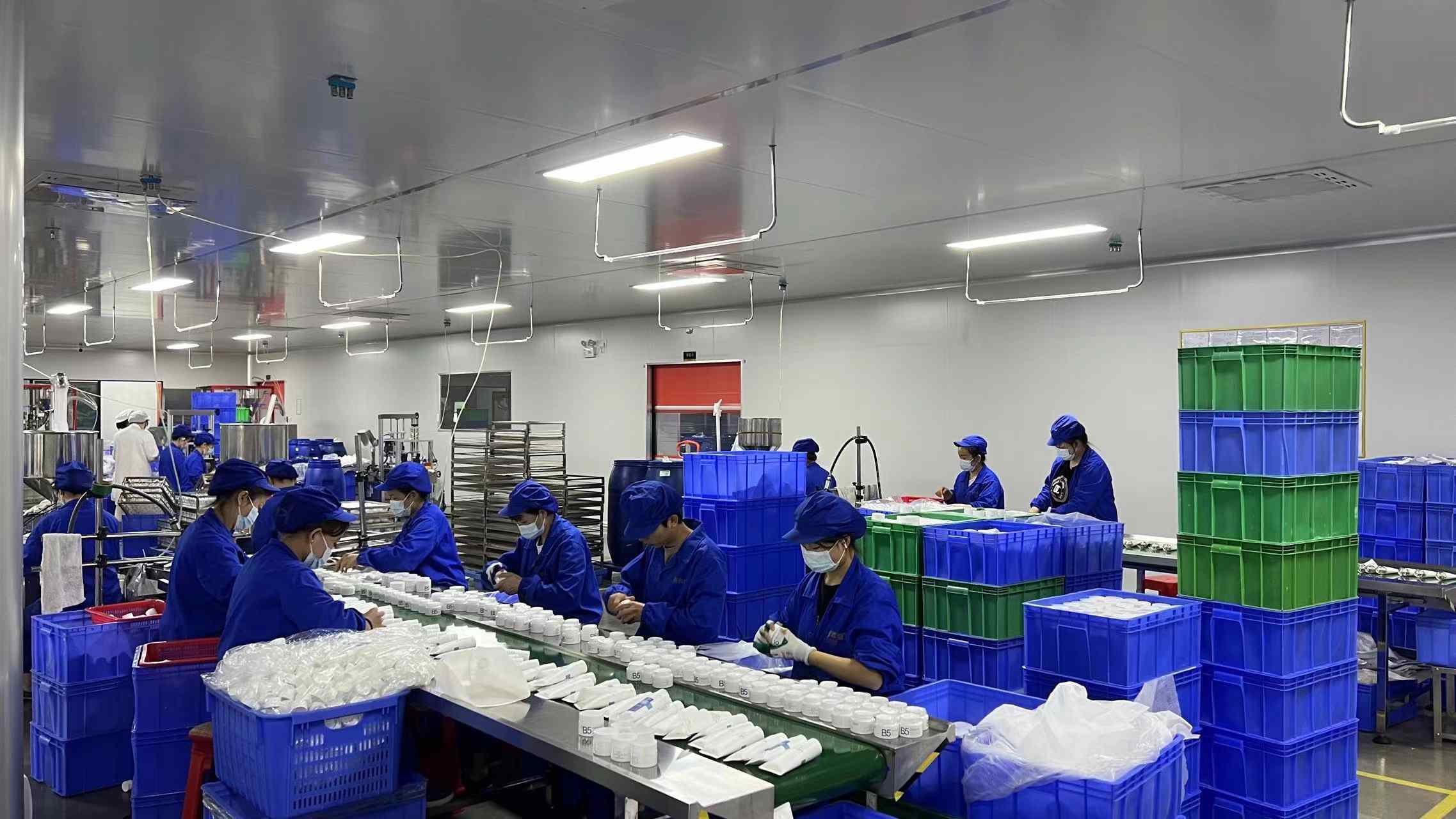
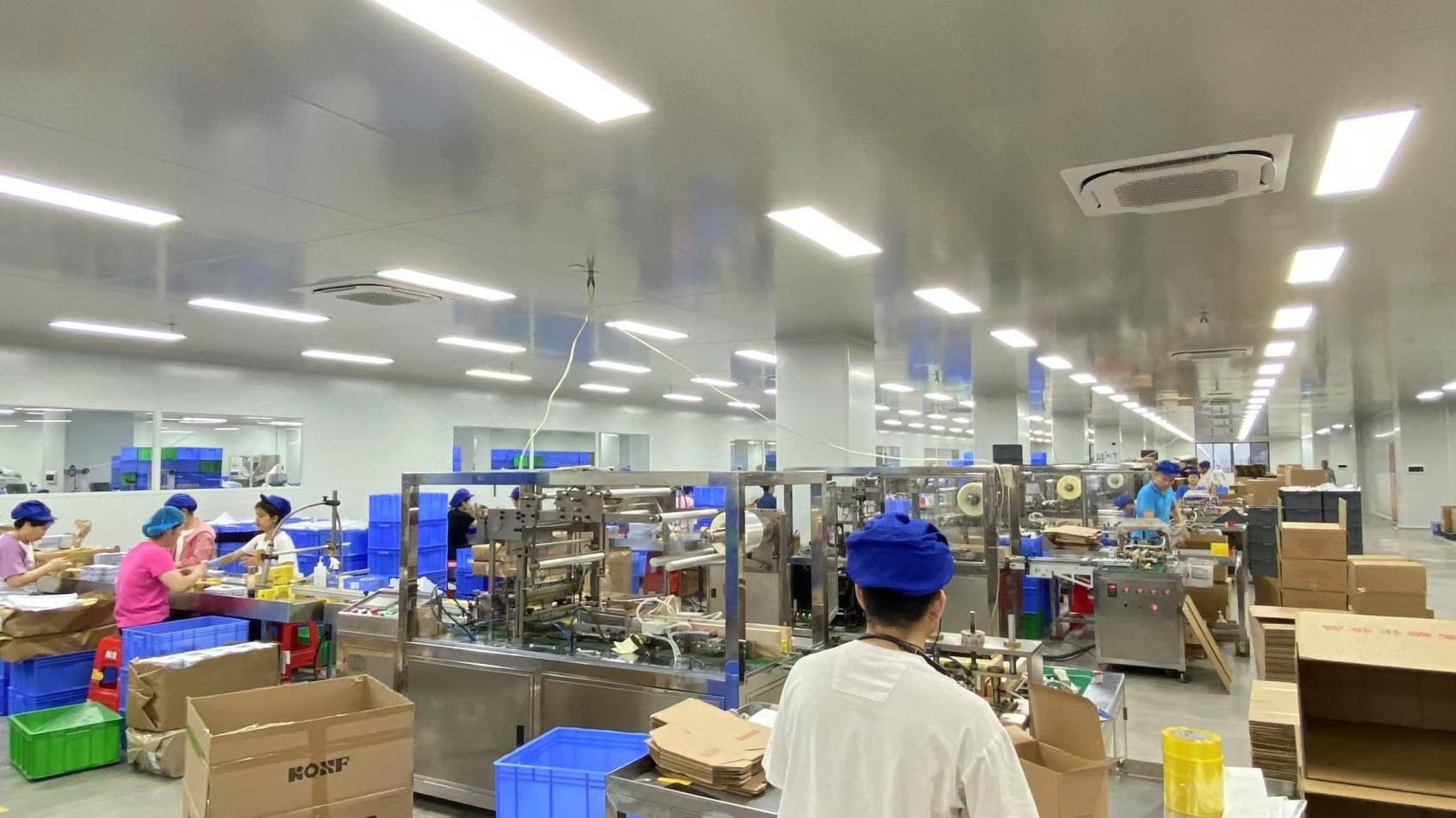
Guangdong Miura Beauty Co. Ltd. is a full-service cosmetics manufacturer specializing in OEM, ODM, and OBM solutions for global skincare and personal care brands. Based in Guangdong, China, we combine advanced formulation science, modern automated production, and integrated brand development services to support clients from concept to finished product.
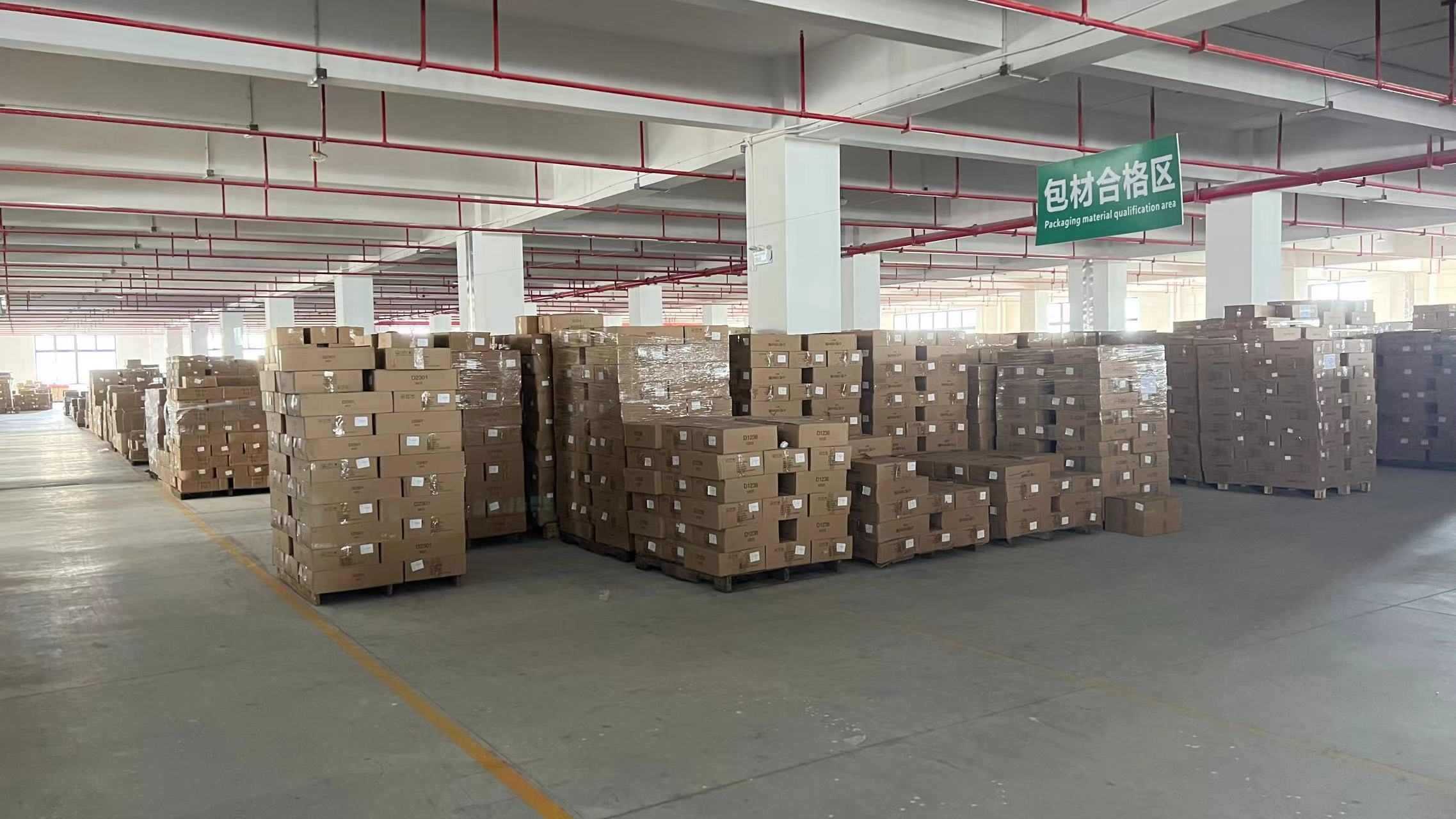
Our 25,000-square-meter manufacturing facility is equipped with 32 fully automated production lines, enabling efficient large-scale output while maintaining strict quality control. For Indian exporters and brands looking to scale, partnering with a high-capacity Chinese supply chain offers significant competitive advantages over localized, lower-output operations.
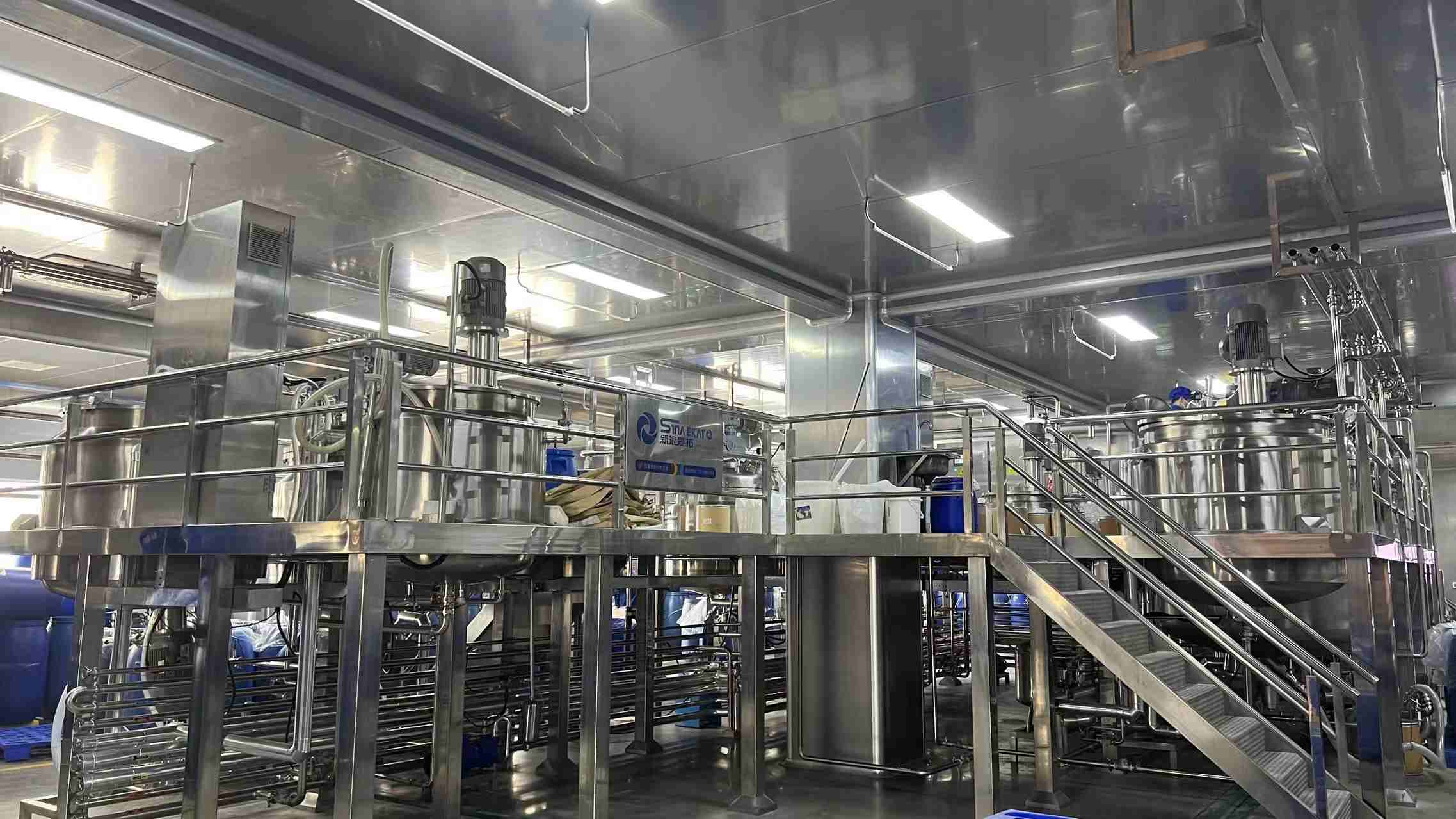
By leveraging raw material procurement networks, advanced German-engineered emulsification vessels, and automated unit-dose filling machinery, Miura Beauty delivers unparalleled cost efficiency, chemical stability, and formulation consistency. This enables Indian brands to focus on localized market development while leaving manufacturing logistics to a highly certified partner (compliant with ISO 22716, GMPC, and international standards).
Develops customized skincare solutions with optimized texture, stability, and performance based on global market trends.
Ensures every batch meets strict international standards through full-process testing and compliance control (GMP, ISO, etc.).
Creates complete brand packaging solutions, combining aesthetics, functionality, and market positioning.
Provides end-to-end support for global clients, ensuring smooth communication, fast development, and efficient delivery.
Take a look at the facility driving quality control and scale-up efficiency for our global brand partners.
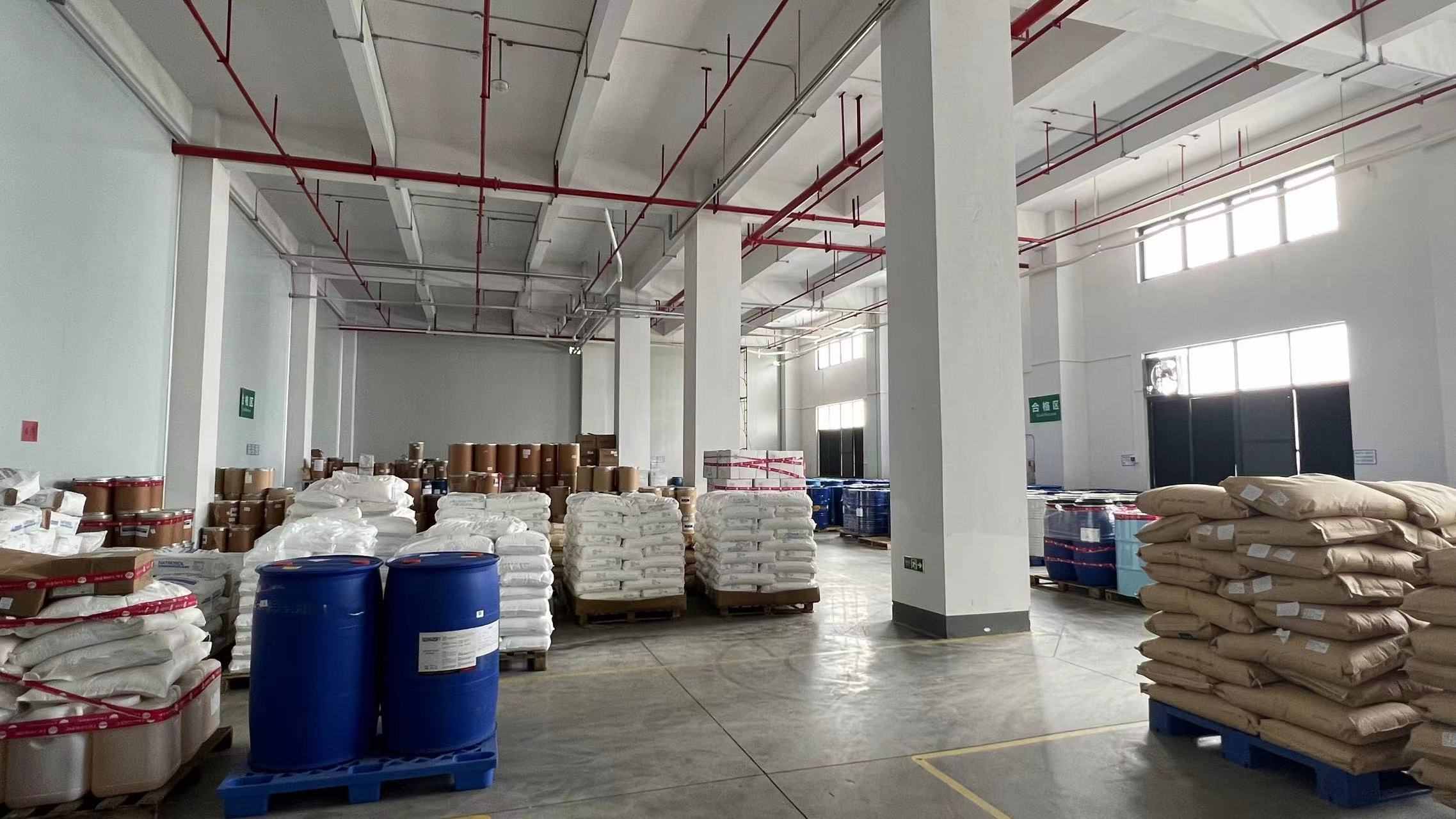
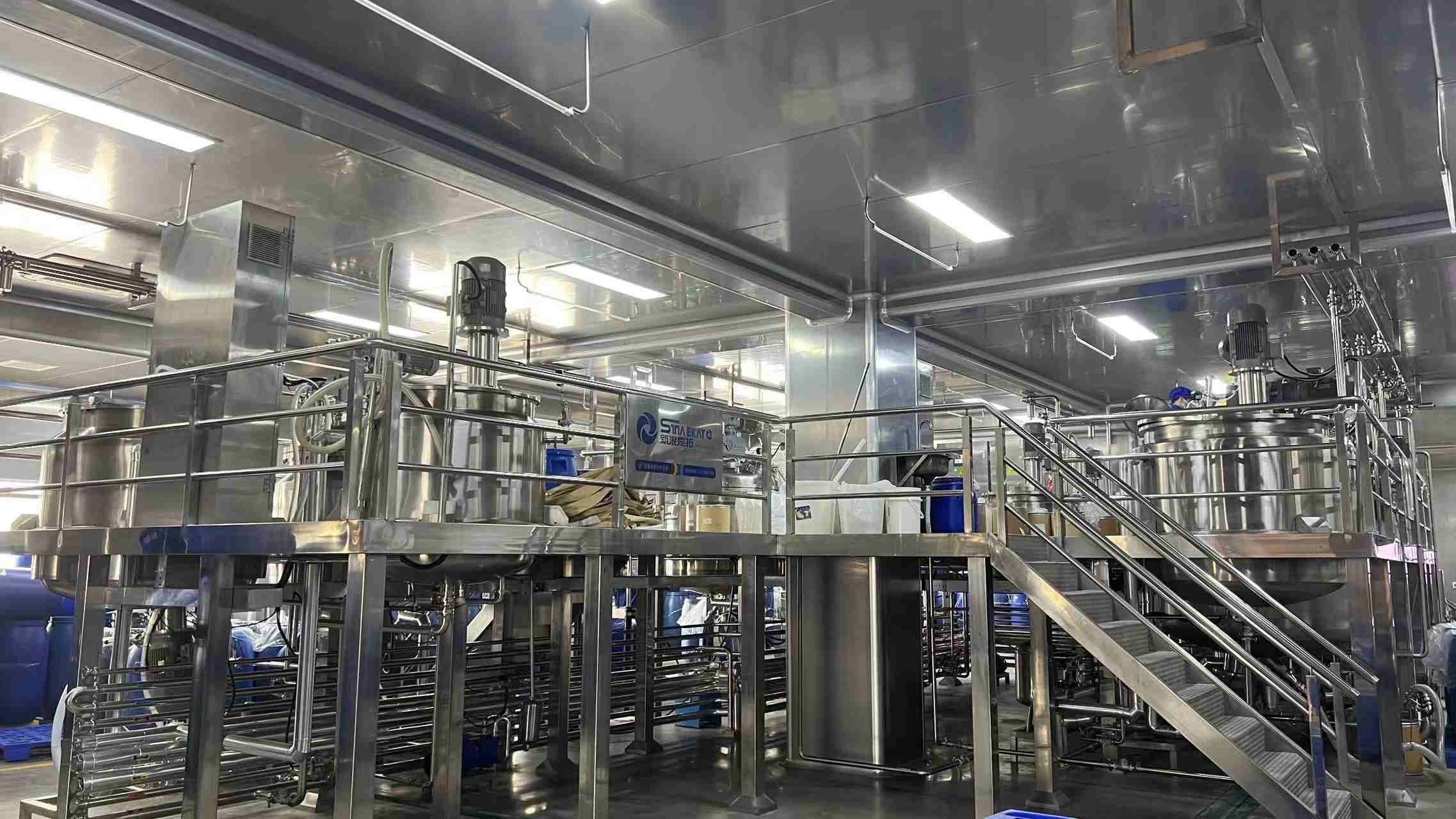
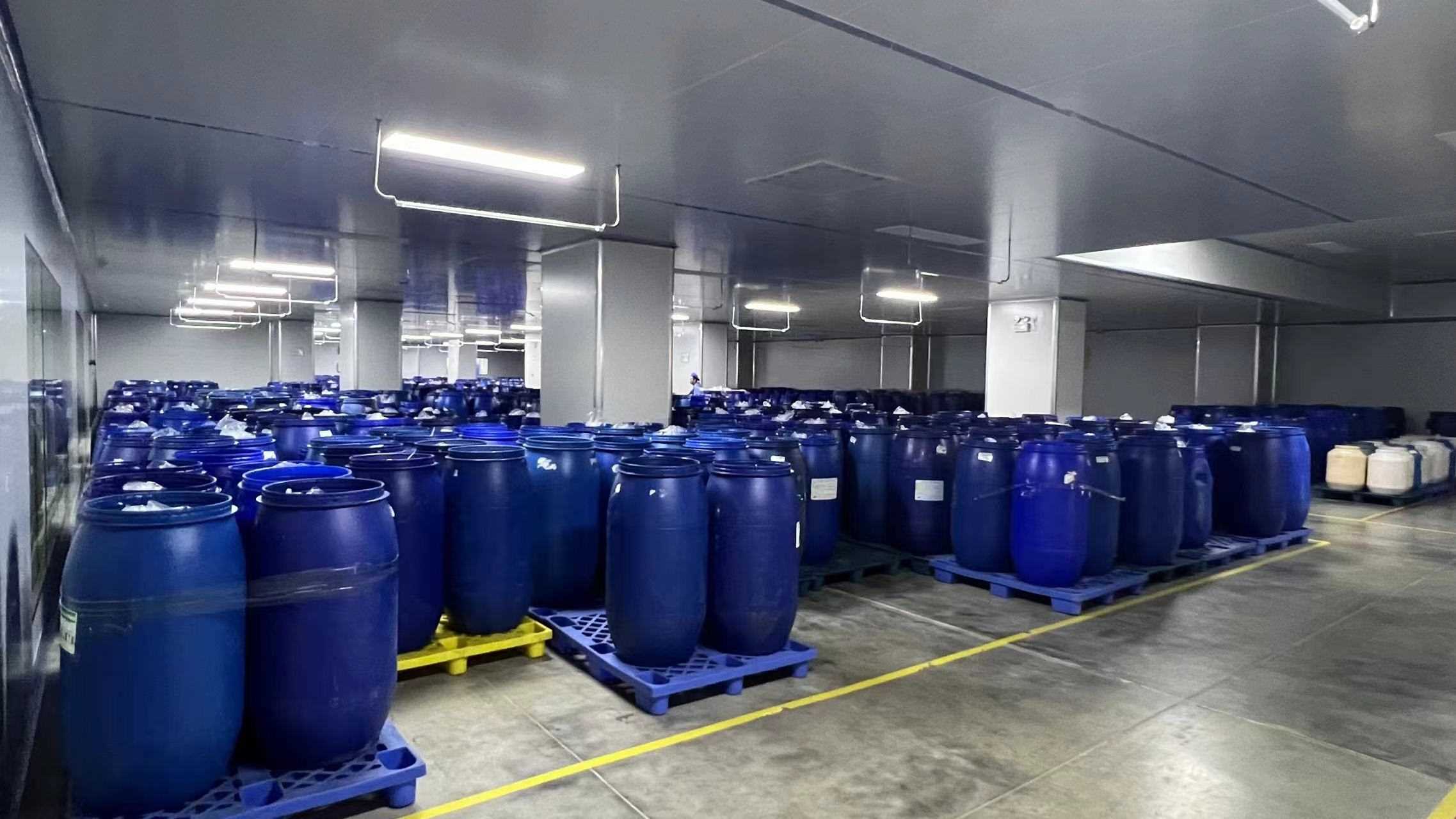
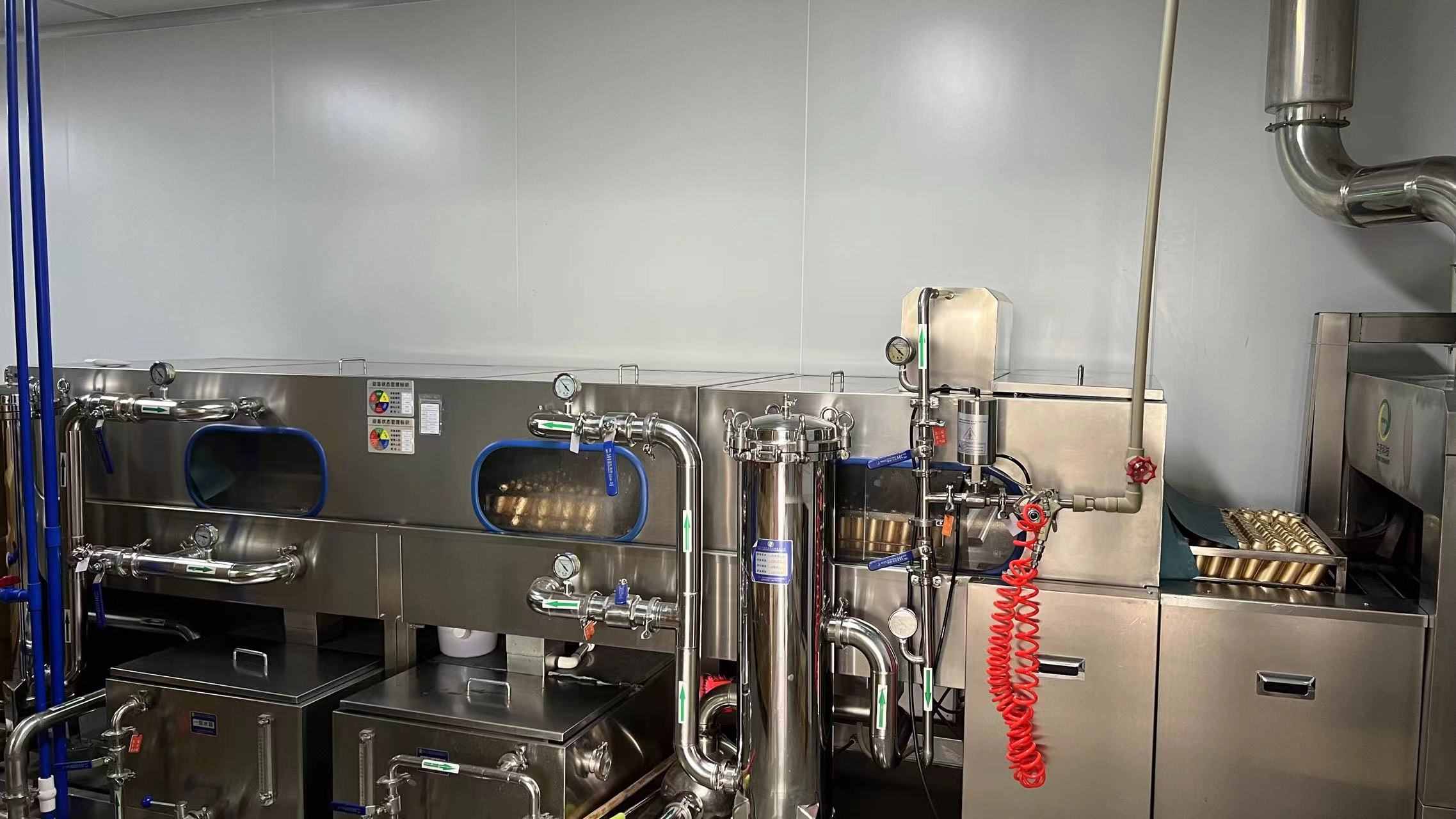
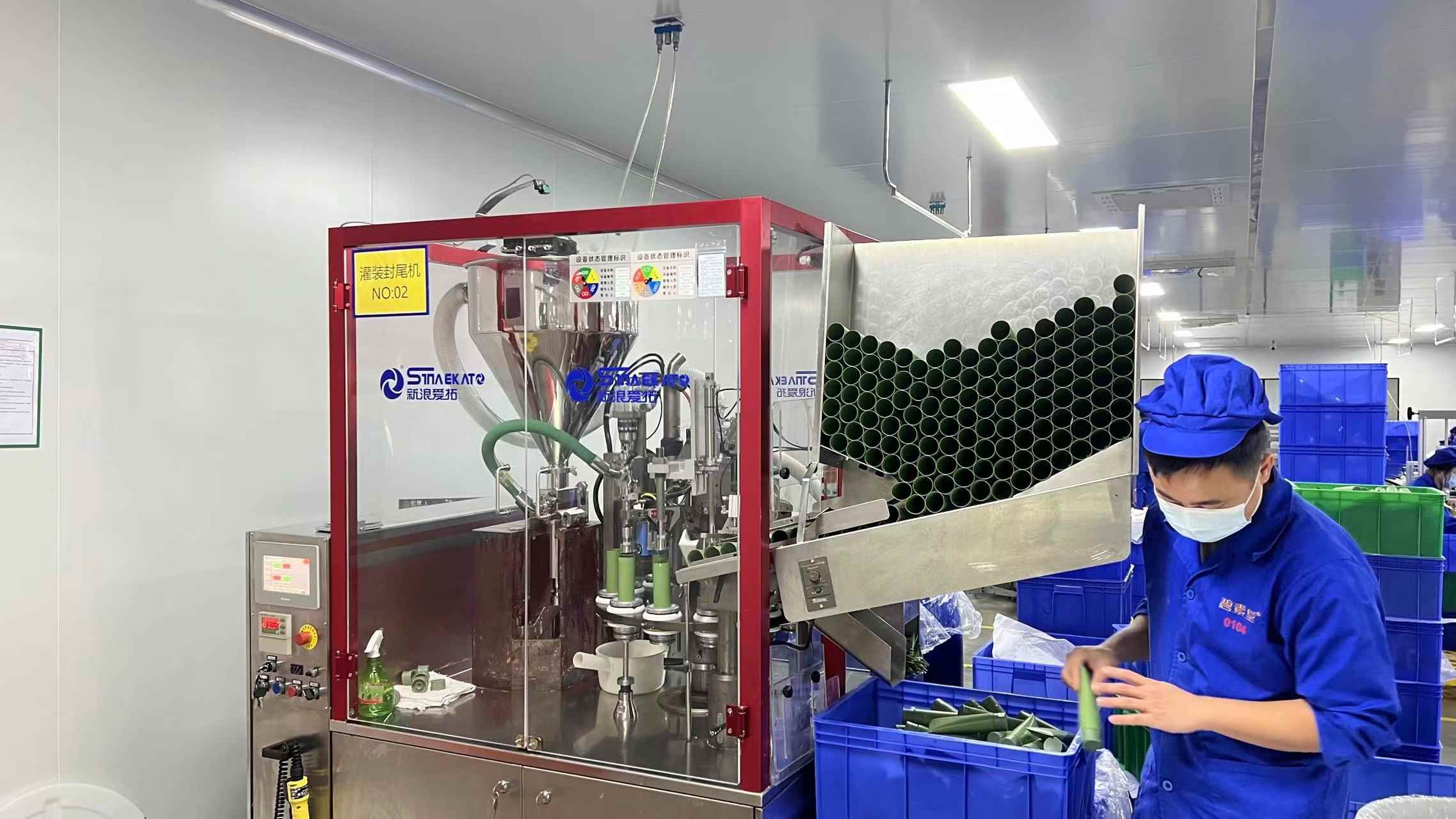
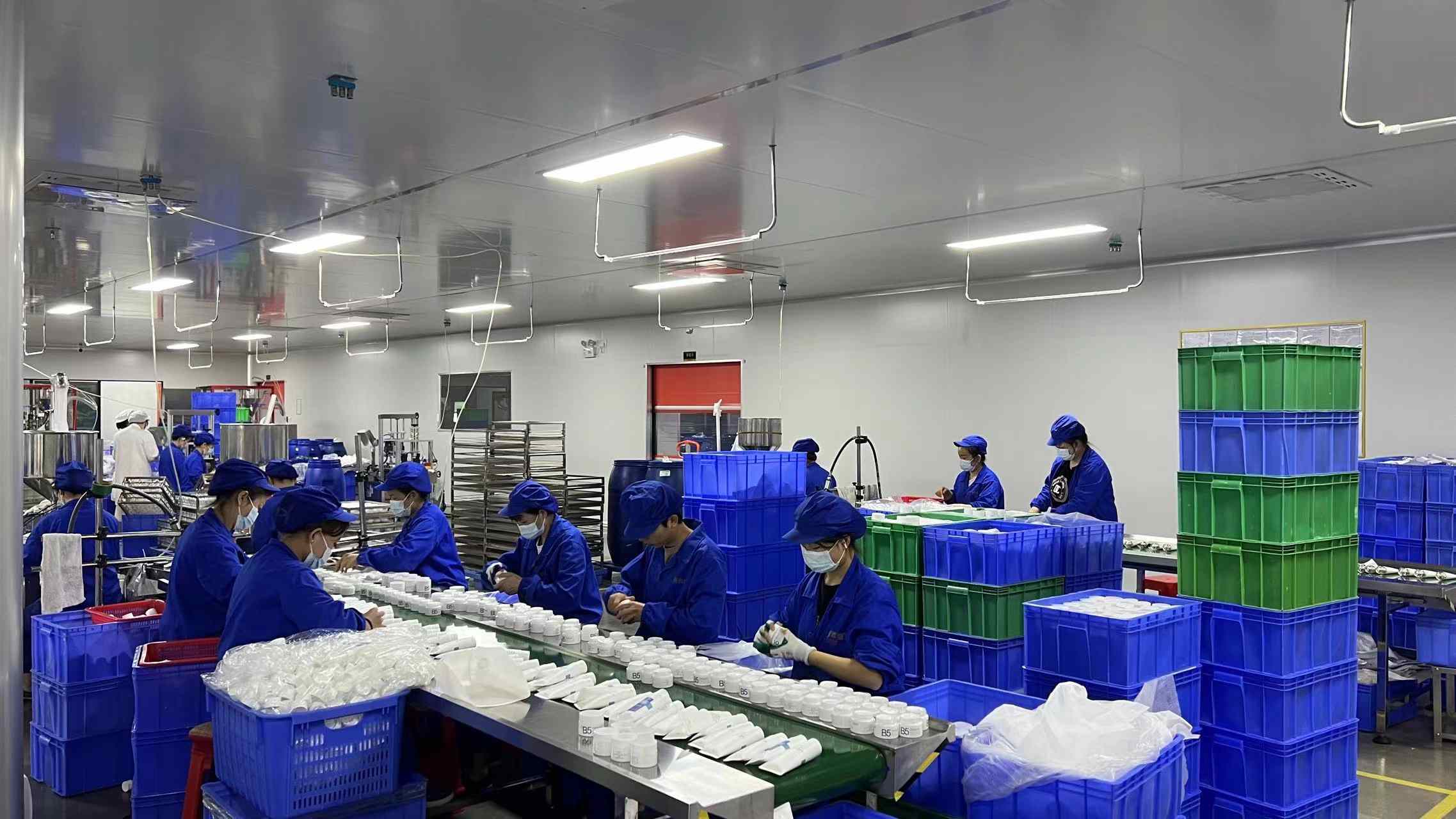
We design specific viscosity, color, active concentration, and scent profiles suited for Indian brand demographics.
Inquire NowEntering the Indian market or exporting cosmetic formulations requires navigating strict regulatory frameworks set by the Central Drugs Standard Control Organisation (CDSCO). Without proper documentation and compliance, cargo delays at major ports like Nhava Sheva (Mumbai), Chennai, or Kolkata can disrupt product launches. Here is how we ensure seamless import processing for our clients:
Our lab ensures all raw materials are on the approved list of the Bureau of Indian Standards (BIS) and IS 4707. We strictly avoid ingredients banned under Indian cosmetics rules, ensuring that your customized formulas pass screening without delays.
We provide complete documentation required for CDSCO Form 42 application, including the Certificate of Analysis (CoA), Free Sale Certificate (FSC), quantitative formulation formulas, and heavy metal & microbiological safety certificates from ISO 17025 accredited labs.
We adapt your packaging layouts to comply with Indian Legal Metrology rules, printing importer addresses, MRP, batch numbers, manufacturing dates, and standard vegetarian/non-vegetarian symbols directly at our automated packaging facilities.
We work with global freight forwarders to organize temperature-controlled shipping from our Guangdong manufacturing plant to Indian destinations. This preserves active ingredient integrity during sea transit across the Indian Ocean.
Select from our comprehensive list of clinical barrier repair treatments, anti-aging solutions, and salon equipment optimized for Indian cosmetic distribution.
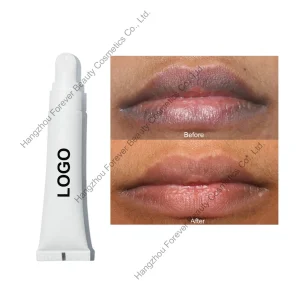
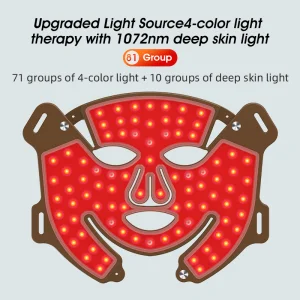


Addressing key technical and logistics questions for B2B buyers and brands importing to India.
For custom formulation OEM/ODM runs, our standard MOQ starts at 5,000 units per SKU. However, for specialized clinical barrier treatments containing advanced actives (like Madecassoside or Euglena Exosomes), we can offer starter runs of 3,000 units, depending on the packaging complexity and ingredient availability.
All formulations undergo rigorous stress testing in our R&D labs, including freeze-thaw cycles, high-temperature incubation (stored at 45°C and 50°C for up to 3 months), and centrifugal stability analysis. We adjust emulsifier blends and use specialized botanical extracts to ensure no phase separation or loss of active performance in warm climates.
Yes. Our packaging design team helps source, customize, and validate a wide range of components—from hygienic metal-tipped applicators for cooling lip treatments to high-barrier airless bottles that protect active cosmetic ingredients from oxidation.
Our manufacturing base is fully certified under ISO 22716 (Good Manufacturing Practices for Cosmetics) and US GMPC. We also provide full documentation supporting CDSCO product registration in India, including Certificate of Analysis (COA), MSDS sheets, and microbiological testing reports.
Generally, new formulation development and custom lab approvals take 2 to 3 weeks. Once the formulation is finalized and packaging artwork is approved, bulk production and packaging takes around 25 to 30 days. Shipping from Guangdong ports to Indian base ports (Nhava Sheva or Chennai) adds roughly 12 to 18 transit days.
Connect with our technical R&D and export compliance managers. We provide complimentary formulation consults, regulatory feasibility reports, and custom pricing schedules.
Send Inquiry Now Miura Beauty