Miura Beauty
1 / 5
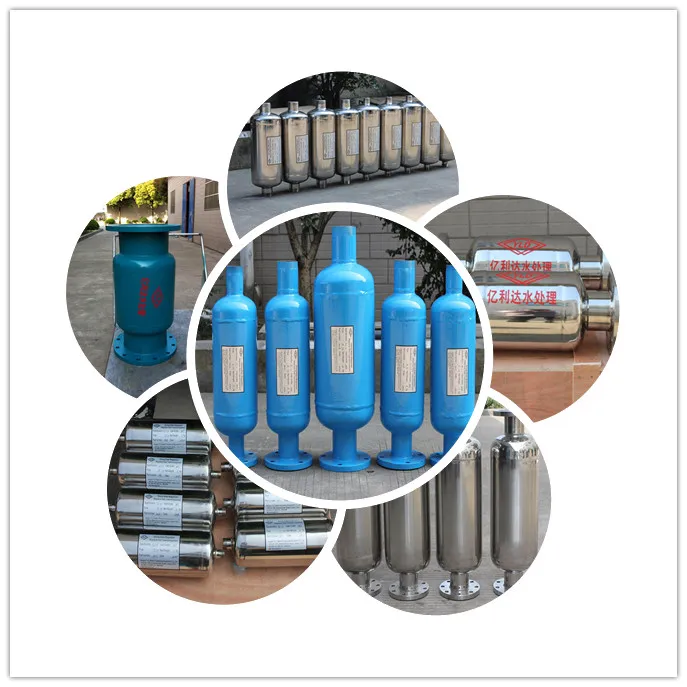
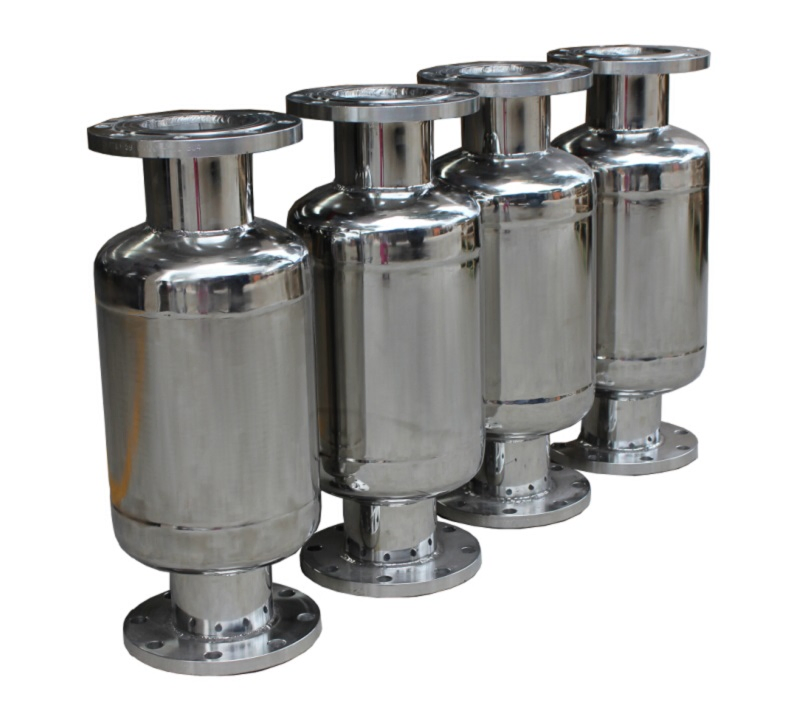
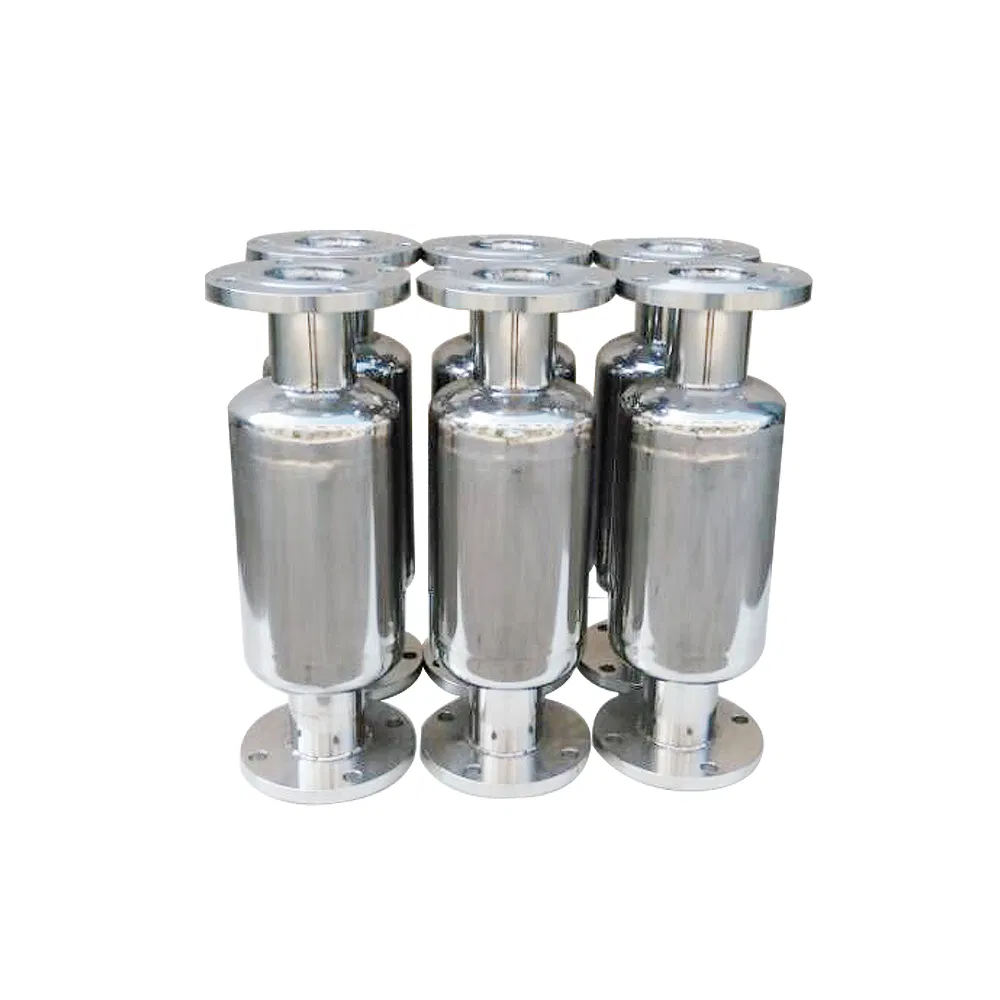
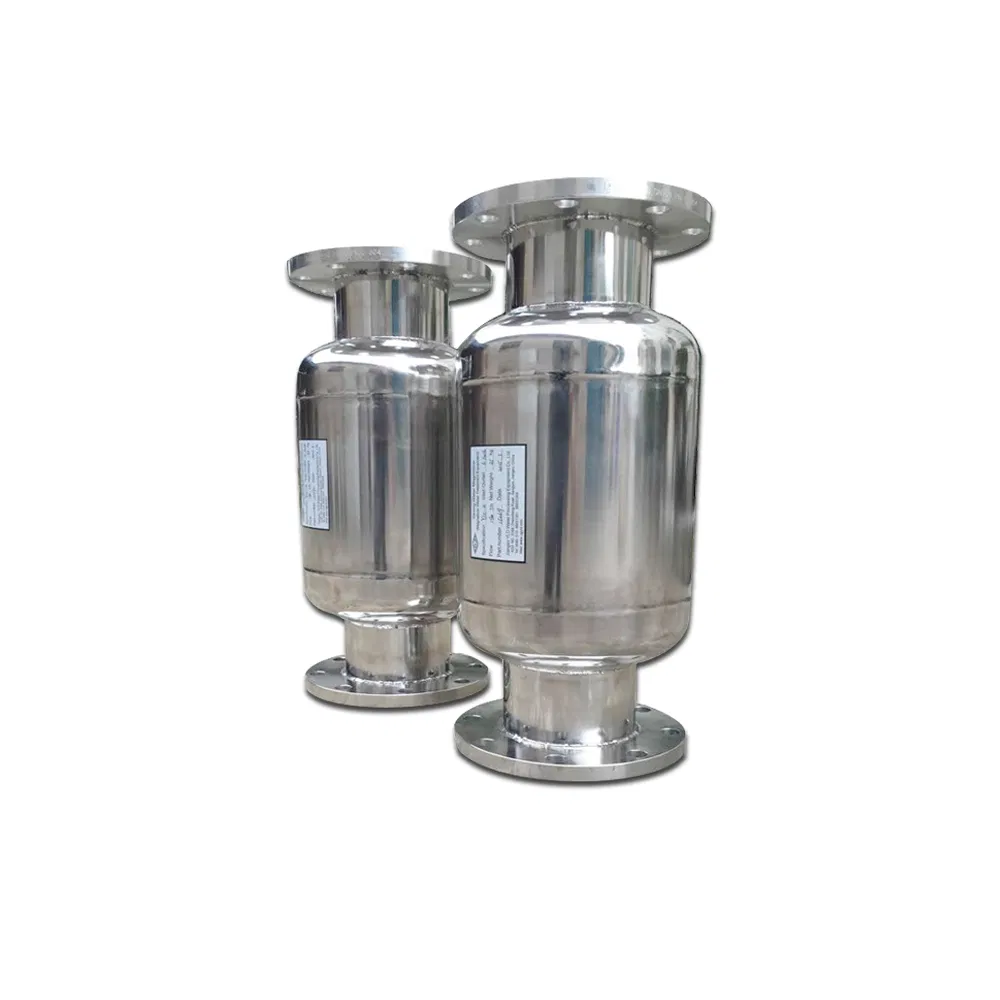
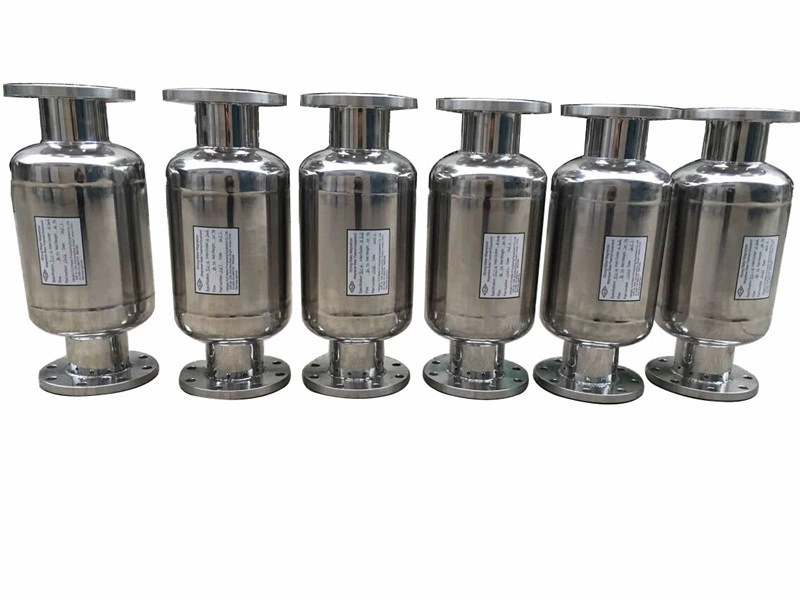
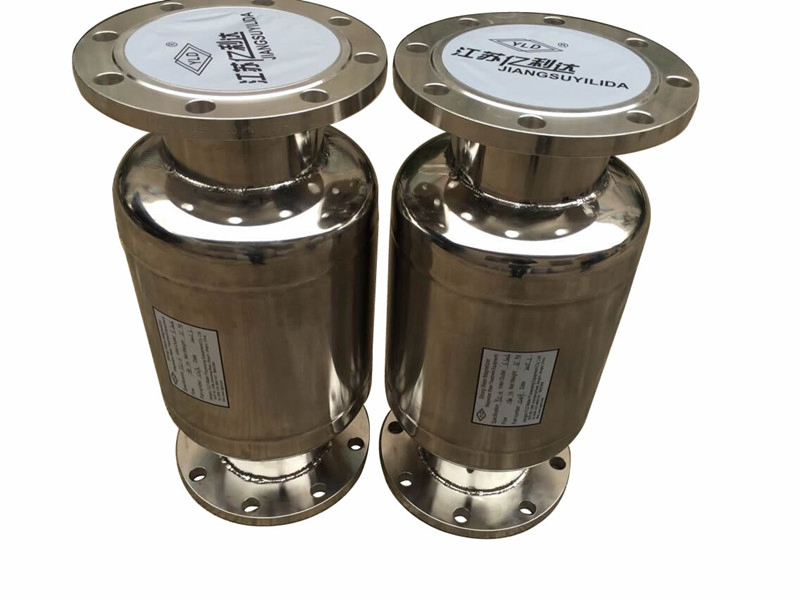
These devices use electromagnetic fields to change the molecular makeup of various water constituents like calcium and iron to other more "inert" forms. The claimed result is a reduction or elimination of water contaminants.
Typically, these devices are permanent magnets or electromagnets that attach to waterlines entering homes and businesses to "purify" or "condition" water supplies. Manufacturers adopt a variety of commercial names for their products from the complex - "patented directional controlled magnet," "Perm-core," and "Magnetizer" - to the simple - "metal bar" or "plug-in treatment device." Typically, the devices use electromagnetic fields to change the molecular makeup of various water constituents like calcium and iron to other more "inert" forms.
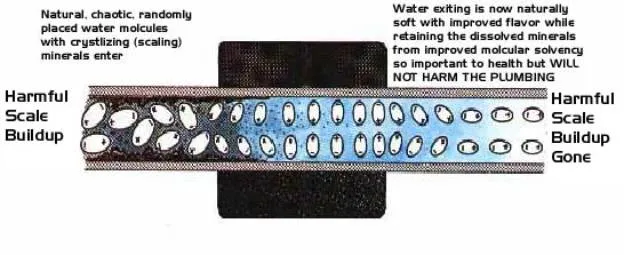
There is virtually no valid scientific data to support any water treatment benefit from magnetic devices. Despite this, product brochures for the devices may make any one of the following claims:
Making use of great energy that generates from neodymium, iron, boron, rare earth and permanent magnetic material, with optimal design, and form a crest vertical center field. When water or fluid flow through the vertical magnetic field, it will produce an electromotive force, the lattice refinement, the original water fouling crystal particle size from about 3.39 microns to about 0.22 microns, flow rate will be faster, the electromotive force generated is greater, the effect is more ideal, to achieve the purpose of anti-scaling and scale removal.
Meanwhile, water flow is treated by magnetic field, lead to the electrical conductivity and osmotic pressure changed and microbial cell ruptured, and cells stop breeding, which achieves effect of sterilization and algae removal.
Since the water treated by magnetic field, it will produce tiny electron flow, which change Fe2O3· NH2O into stable Fe3O4 and generates black magnetic iron oxide which deposited onto the tube wall surface to form a film barrier layer, the oxygen in the water separated from the pipe wall, in this case, it will realize the purpose of rust removal and prevention.
| Model | Inlet-Outlet | Dimension (Dia*Length) | Capacity | Connection Type | Weight | ||
|---|---|---|---|---|---|---|---|
| Inch | mm | Dia (mm) | Length (mm) | m³/hour | Kg | ||
| YLC-1 | 1 | 25 | 133 | 450 | 4.9 | BSPT | 10 |
| YLC-1.5 | 1.5 | 40 | 133 | 450 | 12 | BSPT | 20 |
| YLC-2 | 2 | 50 | 159 | 450 | 19 | BSPT | 30 |
| YLC-2.5 | 2.5 | 65 | 159 | 500 | 28 | Flange | 40 |
| YLC-3 | 3 | 80 | 219 | 550 | 50 | Flange | 45 |
| YLC-4 | 4 | 100 | 219 | 550 | 80 | Flange | 50 |
| YLC-5 | 5 | 125 | 219 | 600 | 125 | Flange | 60 |
| YLC-6 | 6 | 150 | 273 | 740 | 180 | Flange | 70 |
| YLC-8 | 8 | 200 | 325 | 790 | 320 | Flange | 90 |
| YLC-10 | 10 | 250 | 377 | 850 | 480 | Flange | 110 |
| YLC-12 | 12 | 300 | 426 | 800 | 600 | Flange | 130 |
| YLC-14 | 14 | 350 | 478 | 950 | 750 | Flange | 160 |
| YLC-16 | 16 | 400 | 530 | 1000 | 850 | Flange | 210 |
| Model | Inlet-Outlet | Net / Full Dimension | Net Weight | |
|---|---|---|---|---|
| mm | Inch | Diameter * Length (mm) | Kg | |
| YLC-1 | 25 | 1 | 133 * 300 / (150 * 400) | 5 |
| YLC-1.5 | 40 | 1.5 | 133 * 300 / (150 * 400) | 5.5 |
| YLC-2 | 50 | 2 | 159 * 400 / (170 * 420) | 9 |
| YLC-2.5 | 60 | 2.5 | 159 * 450 / (230 * 560) | 11 |
| YLC-3 | 80 | 3 | 159 * 450 / (230 * 560) | 15 |
| YLC-4 | 100 | 4 | 219 * 560 / (300 * 600) | 20 |