Explore our leading OEM/ODM solutions, engineered to deliver high physiological compatibility and optimize target skin conditions.
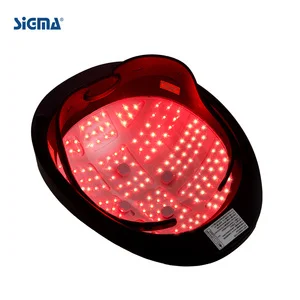
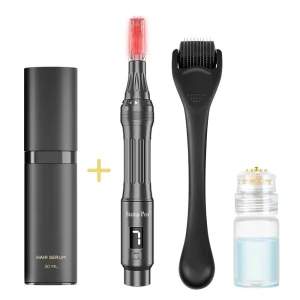
Guangdong Miura Beauty Co. Ltd. is a premier full-service cosmetic manufacturer specializing in OEM, ODM, and OBM solutions for global skincare and personal care brands. Based in Guangdong, China, we combine state-of-the-art formulation science, advanced automated production, and integrated brand development services to assist clients from scientific ideation to final packaging.
Our mission is to deliver safe, effective, and innovative skincare solutions through advanced manufacturing and scientific formulation—helping global beauty brands scale efficiently, control risk, and build authority in highly competitive markets.
Develops customized skincare solutions with optimized texture, rheology, stability, and cutaneous safety based on global clinical cosmetic research.
Ensures every raw material, bulk formula, and finished product meets strict international standards (GMPC, ISO) via analytical chemistry and micro-testing.
Creates complete custom packaging assets, combining ergonomics, container-formula compatibility, sustainability, and market-ready aesthetics.
Provides end-to-end operational execution for global clients, ensuring transparent communications, rapid development cycles, and regulatory filing support.
Empirical consumer trends highlight a massive increase in dermatological sensitivity caused by environmental stressors, overuse of acids, and shifting climates.
Sensitive skin is not just a skin type; it is a physiological status characterized by a compromised stratum corneum (epidermal barrier) and subsequent neurosensory irritation. When the intercellular lipid matrix (composed of ceramides, cholesterol, and free fatty acids) is depleted, the skin undergoes elevated Transepidermal Water Loss (TEWL).
This degradation allows environmental pollutants, allergens, and microbial pathogens to penetrate deeper layers, triggering the release of pro-inflammatory cytokines (IL-1α, IL-8, TNF-α) and hyper-activating sensory nerve endings (like TRPV1 receptors).
Consequently, the modern cosmetic buyer requires formulations that avoid common sensitizers (artificial fragrances, denatured alcohols, aggressive surfactants) and proactively restore the homeostatic integrity of the skin's lipid bilayers.
A closer look at how Guangdong Miura Beauty Co. Ltd. executes sterile, high-precision cosmetic engineering across our 32 automated production lines.
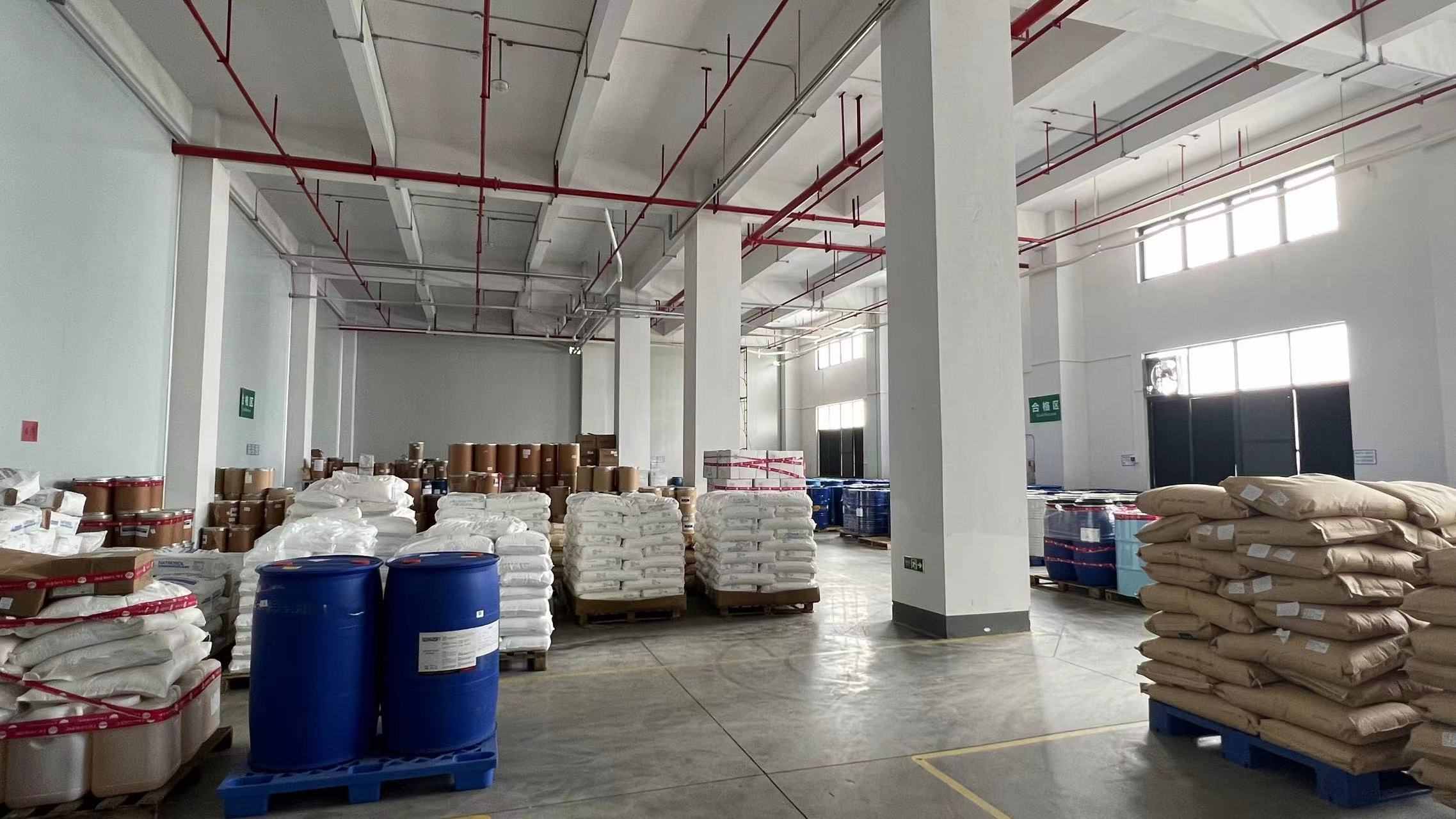
Strict biochemical testing, identity verification (HPLC), and heavy metal assays are executed for every batch of incoming active ingredients.
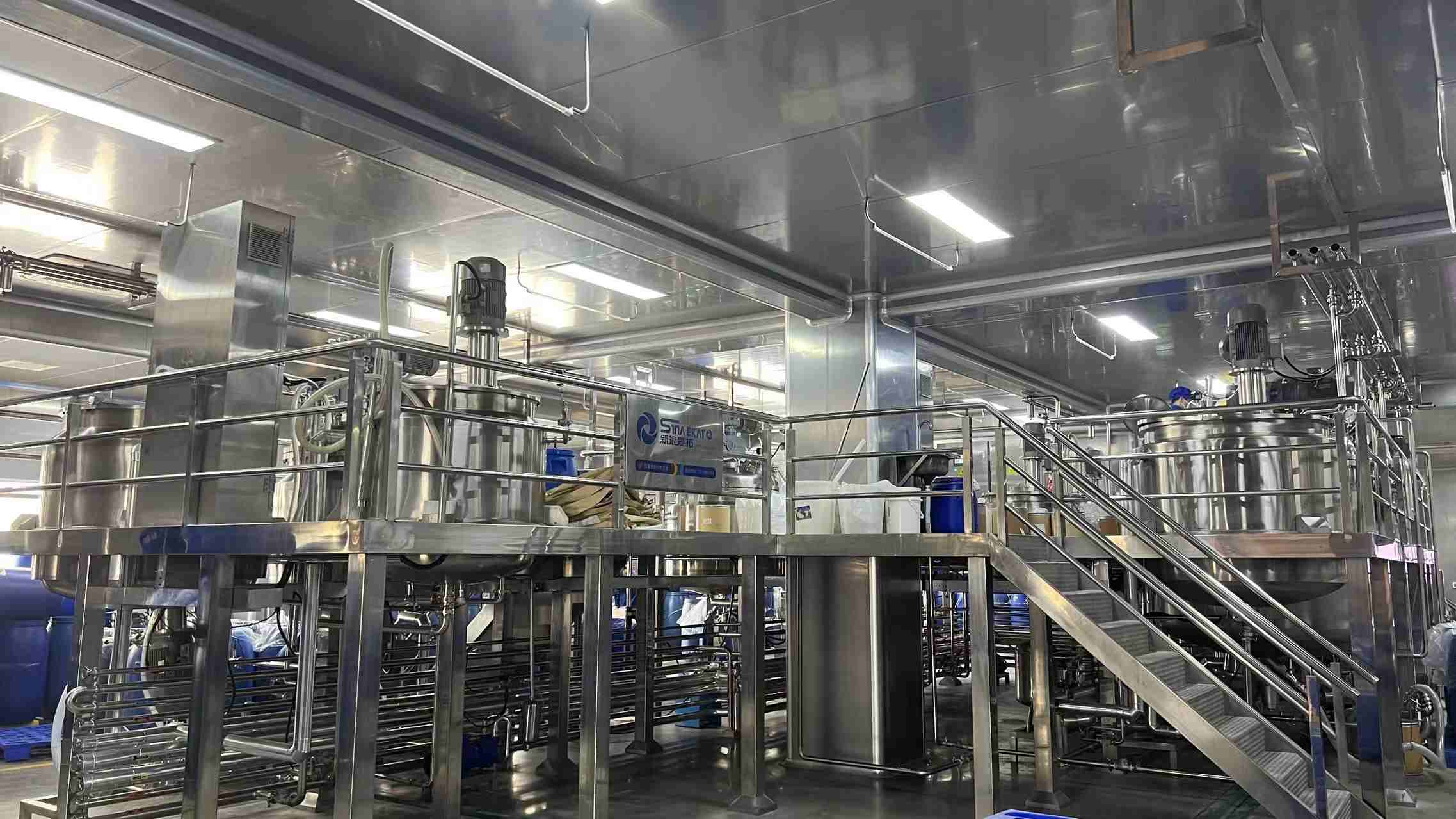
Utilizing advanced high-shear emulsification units to achieve stable lipid-in-water distribution and uniform particle sizing.
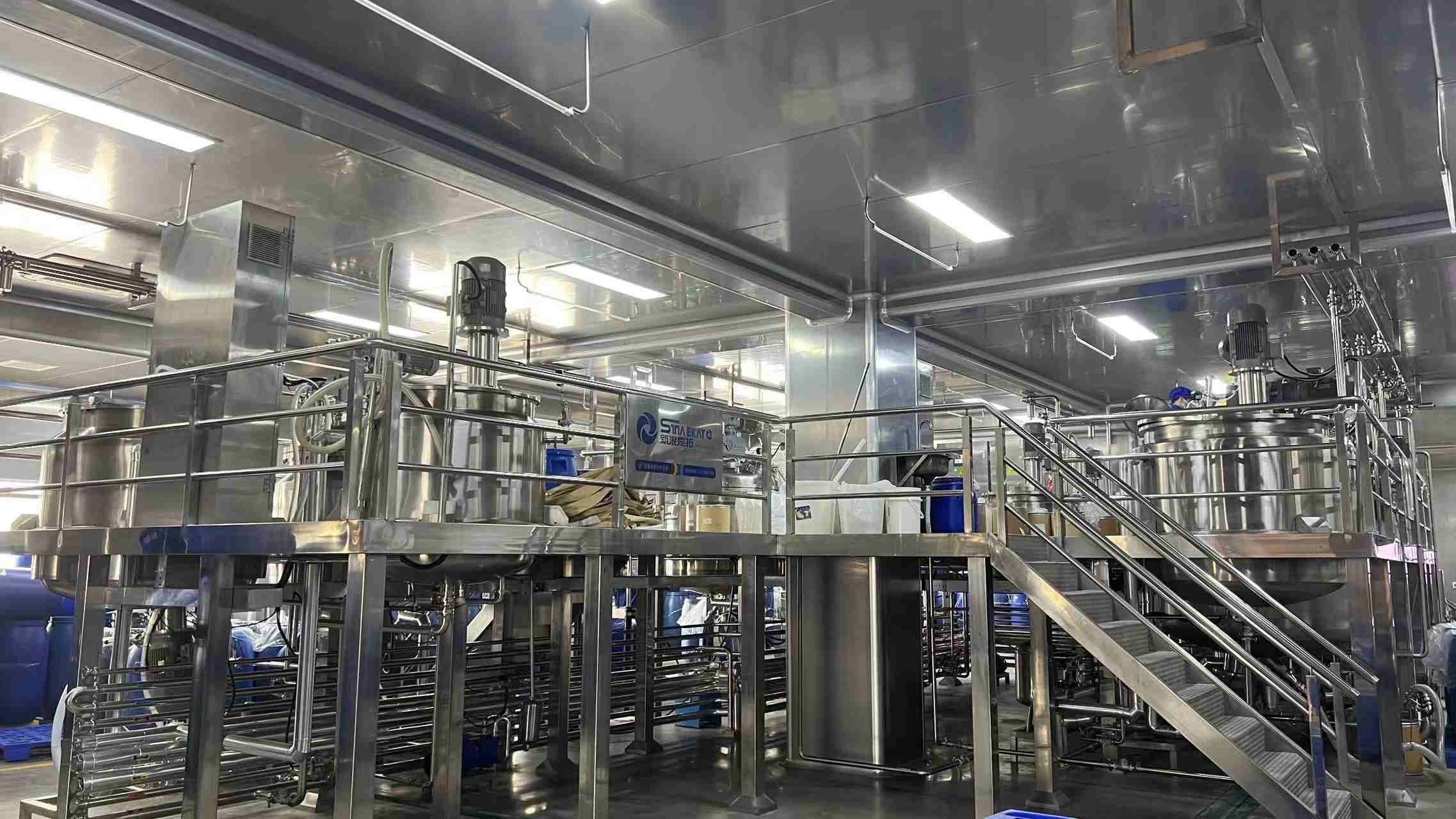
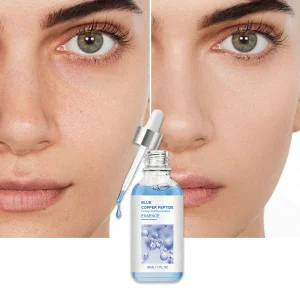
Stabilizing active molecules like blue copper peptides and vitamins inside complex emulsion networks under controlled temperature phases.
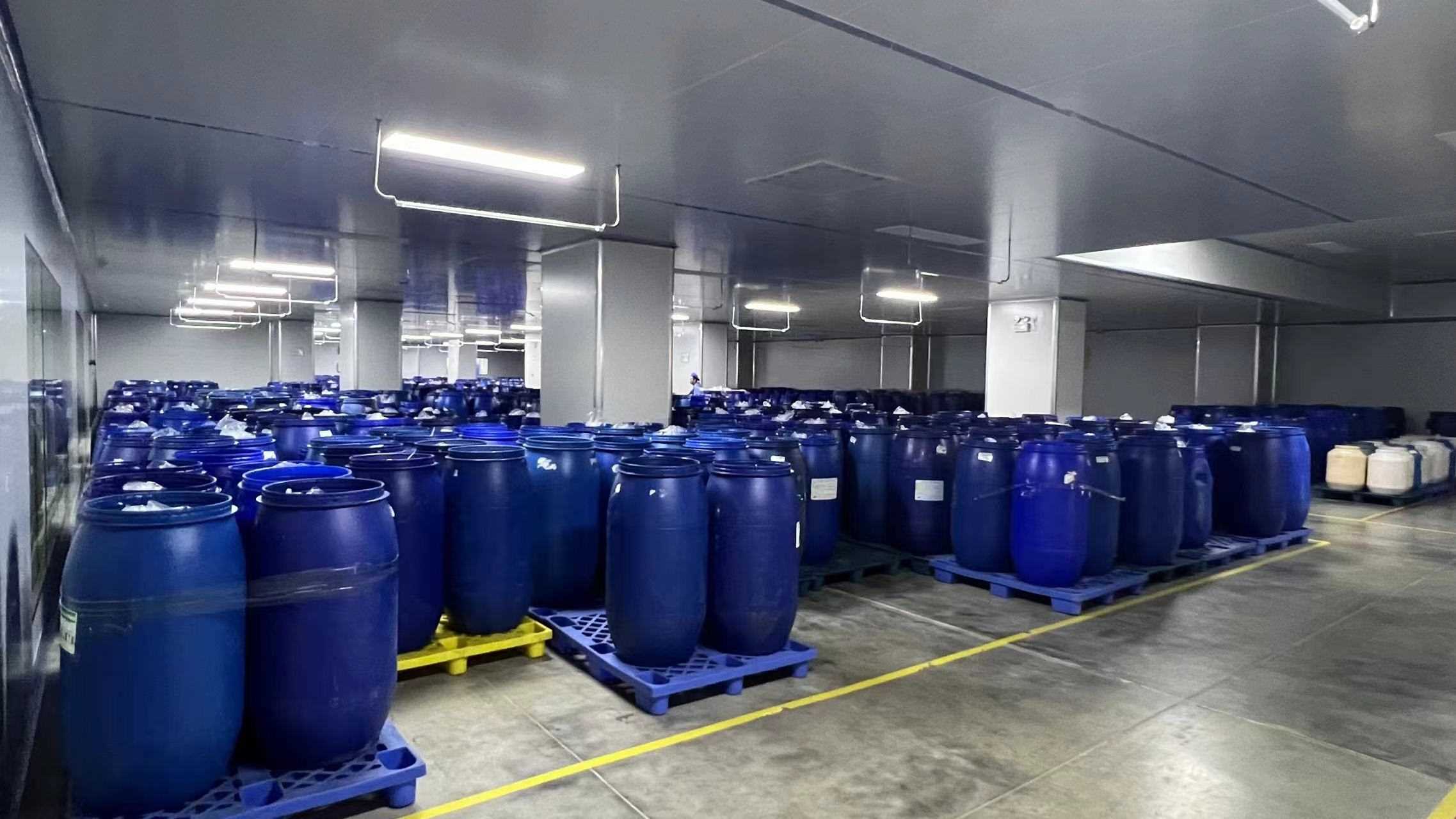
Bulk mixtures are aged under constant thermal parameters to guarantee formulation viscosity stability, phase separation prevention, and microbial safety.
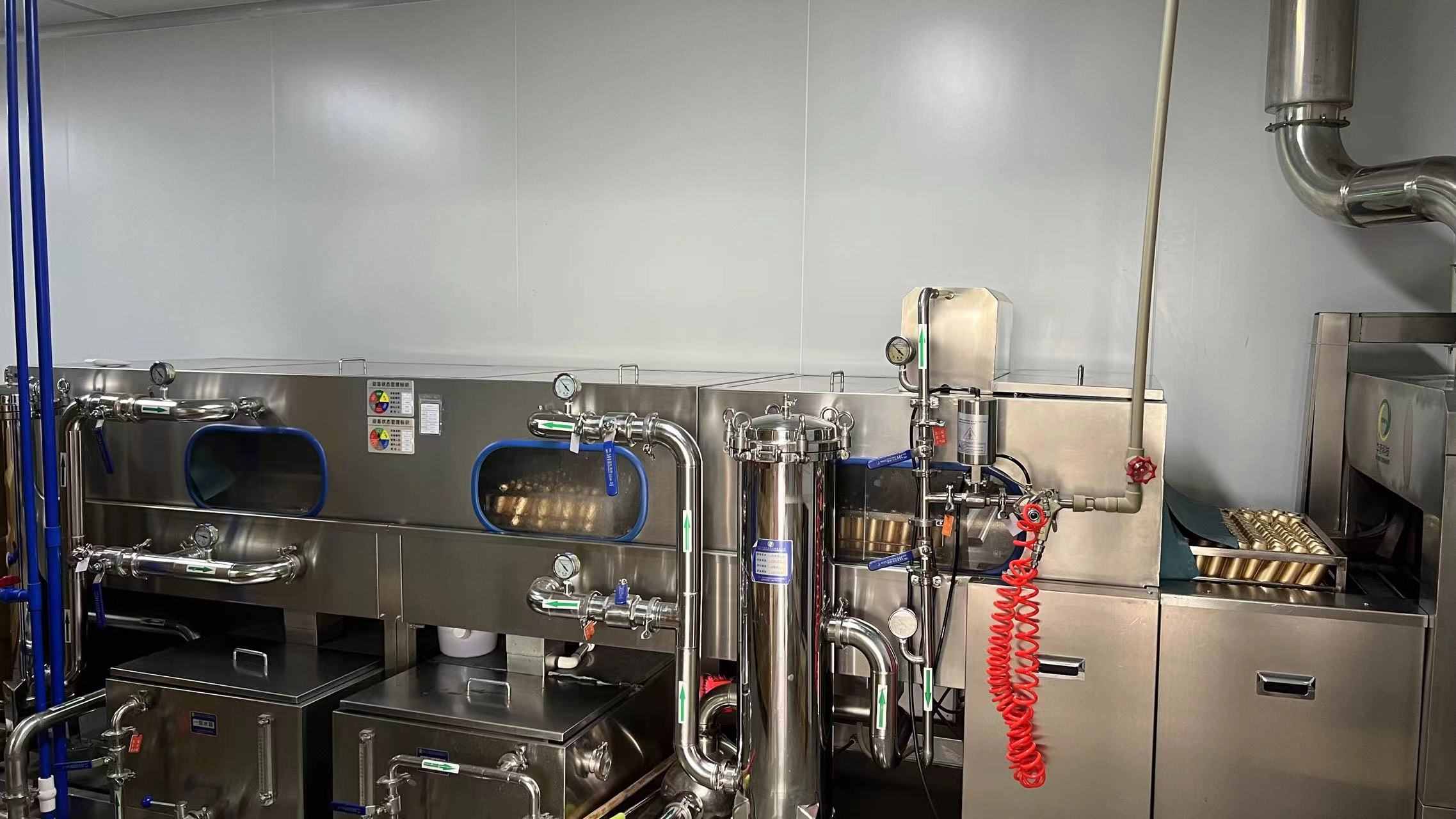
Packaging materials undergo clean-in-place (CIP) processing, multi-stage filtration washing, and UV disinfection routines to eliminate biological residues.
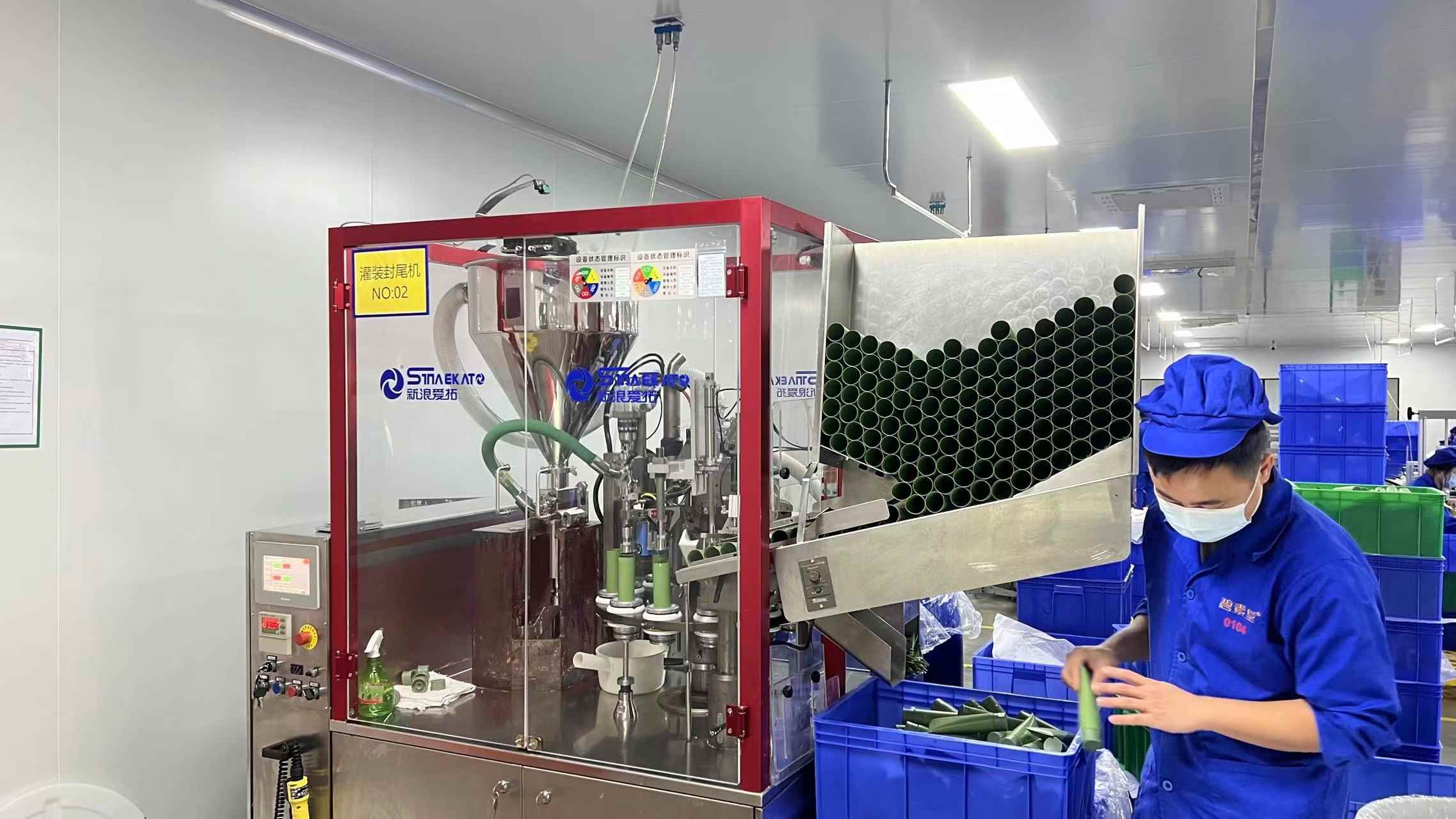
High-precision pneumatic volumetric pistons inject creams and ointments into air-tight containers with zero ambient air exposure.
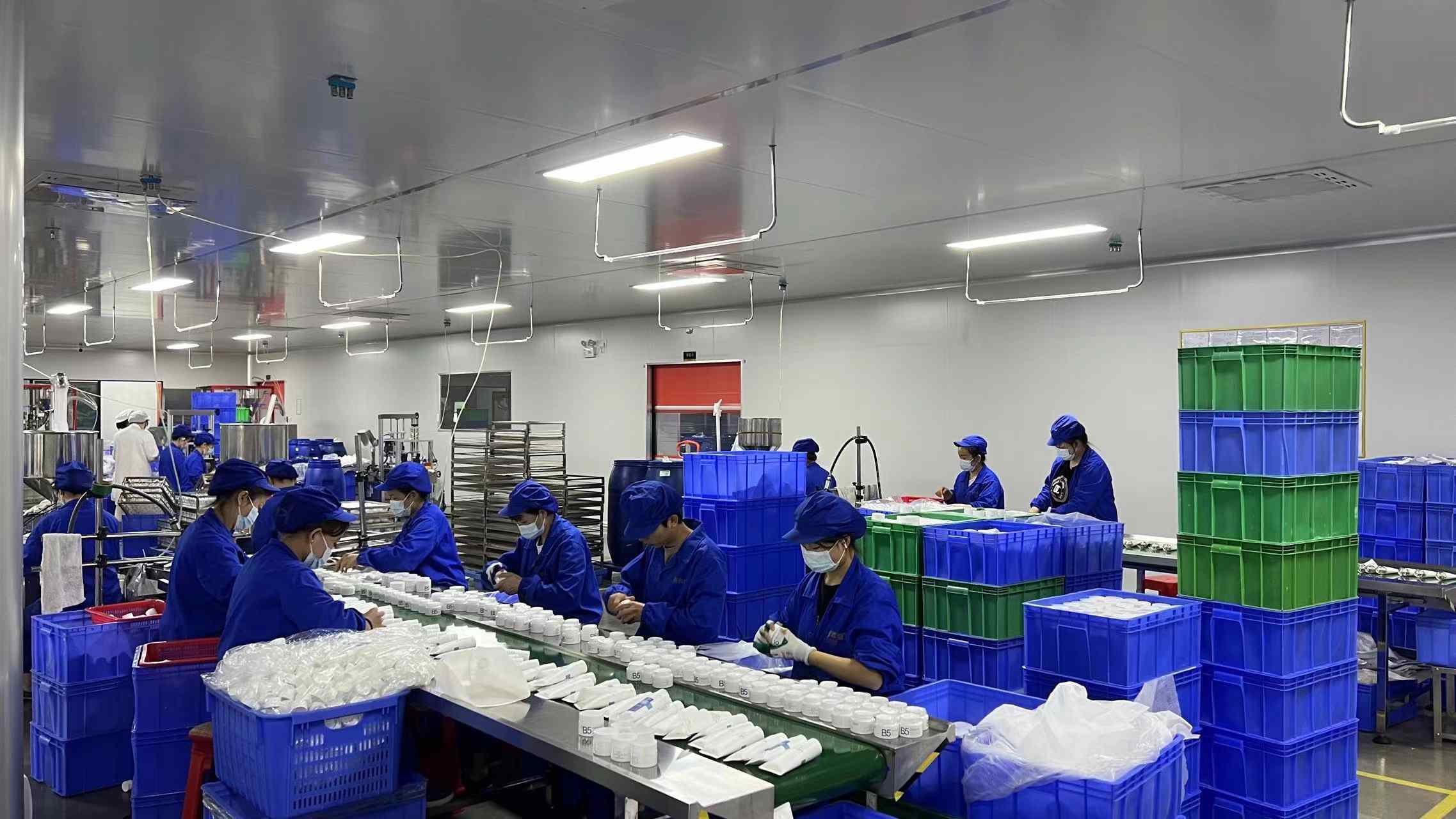
Formulations are transferred into retail formats under high-grade air particulate filters, maintaining Class 100 sterile conditions.
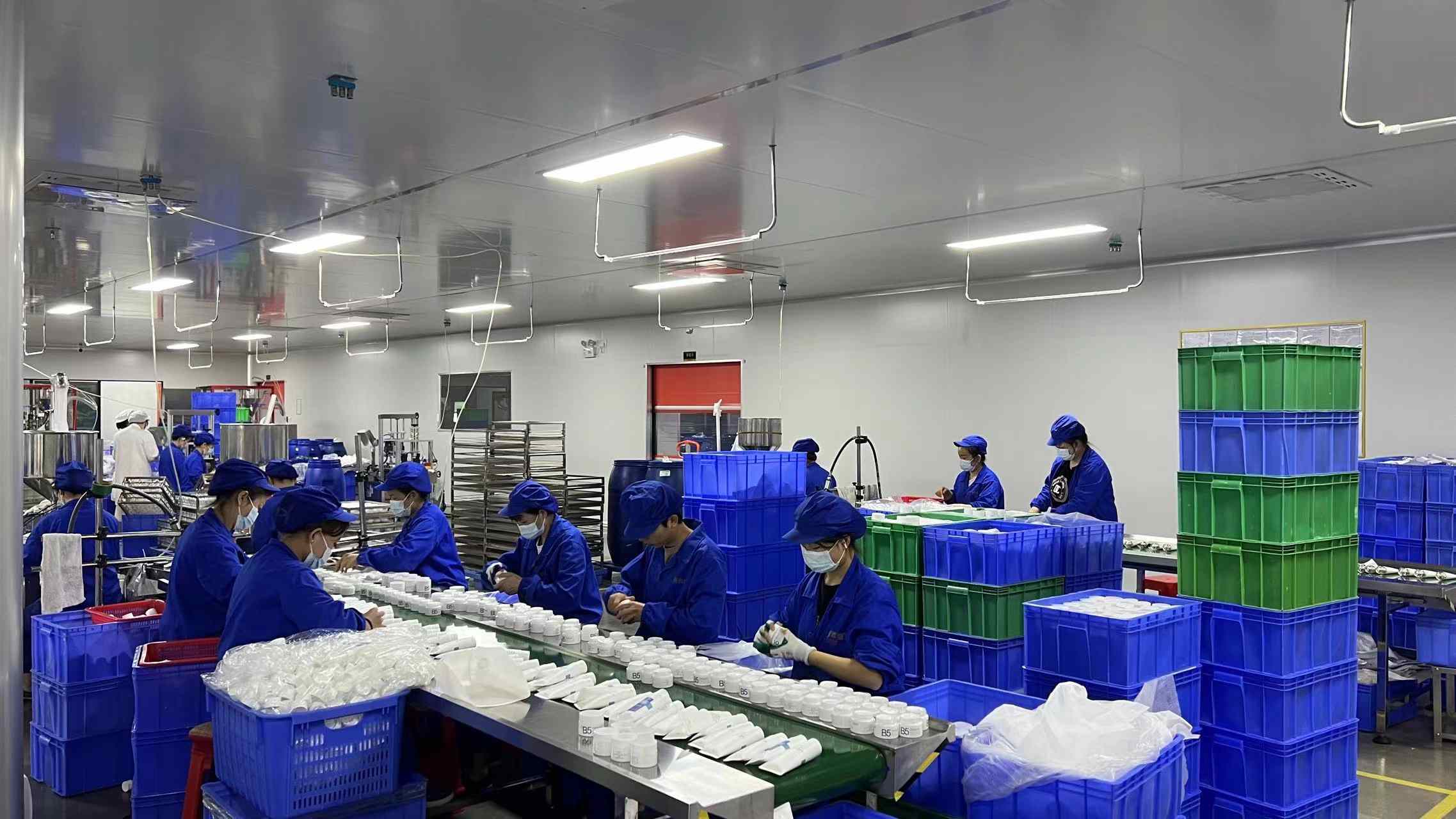
Integrated weight check sensors and visual alignment lasers isolate sub-standard products instantly from the conveyor pipeline.
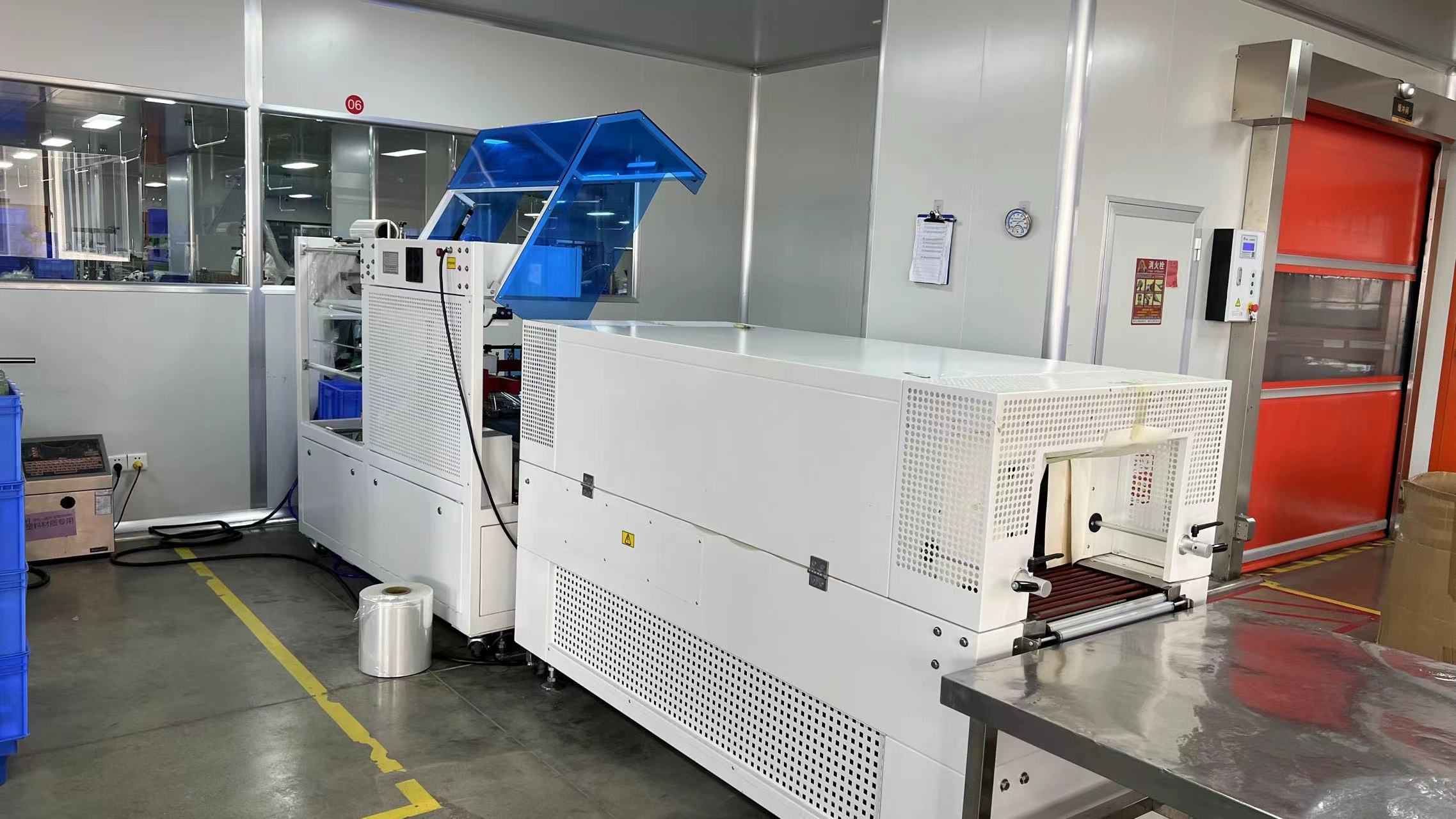
Advanced cartoning and overwrapping machineries format products cleanly, inserting product guides and printing batch numbers.
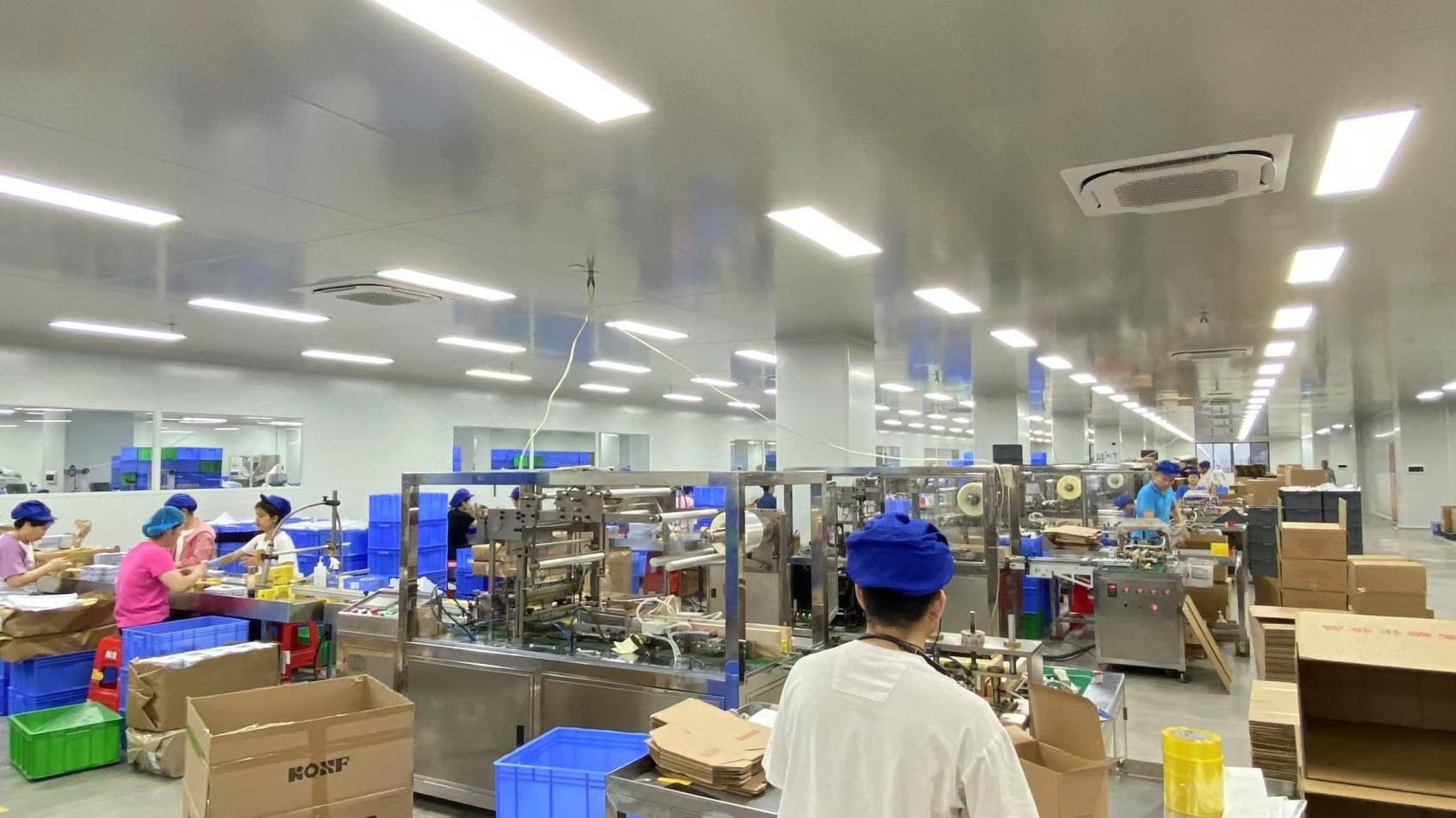
Manual visual verification and structural stress testing of packages ensure pristine condition before palletization.
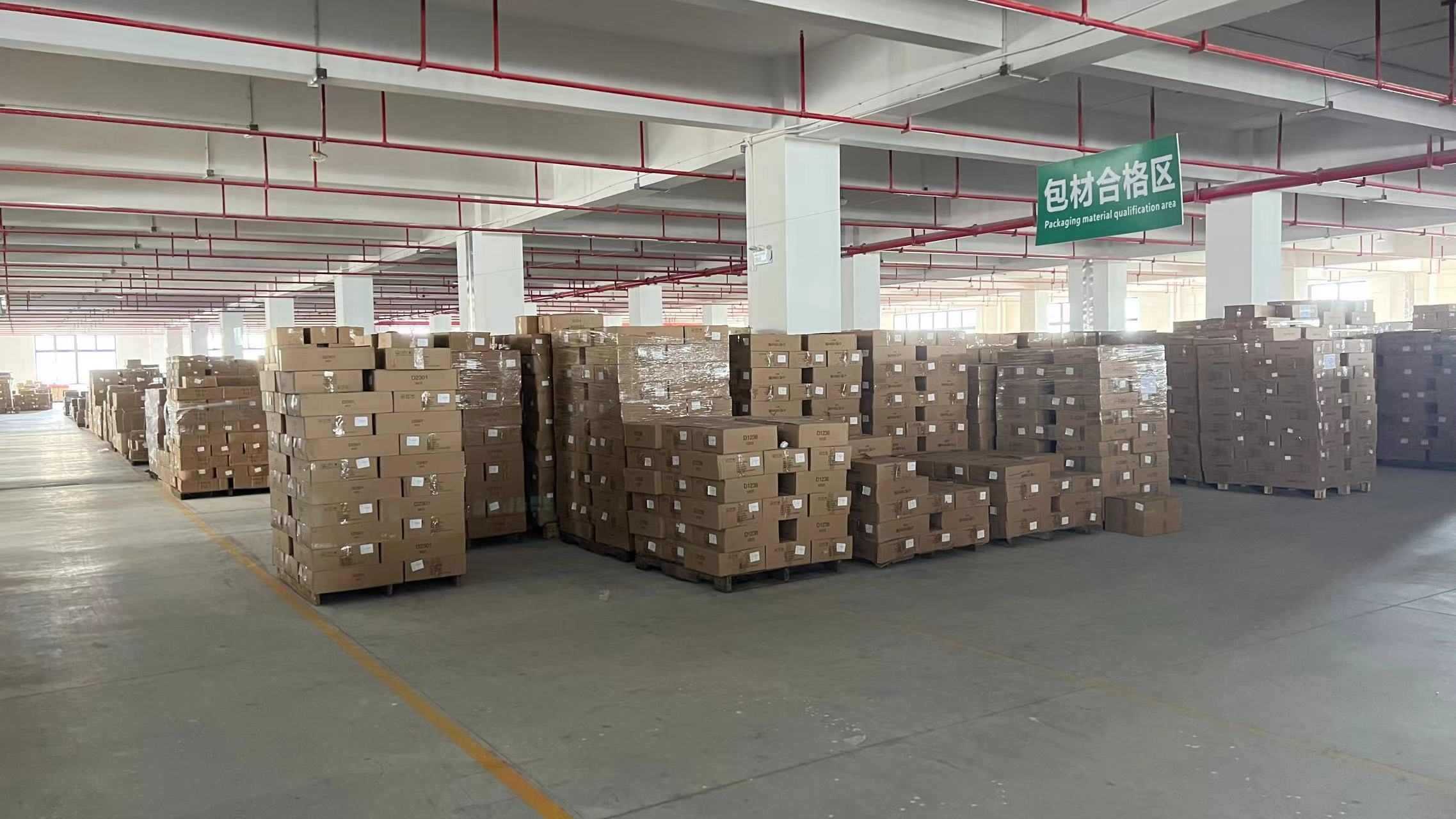
Products are stored under real-time temperature, humidity, and atmospheric surveillance systems to guarantee active preservation during logistics queues.
We provide full-spectrum localization support to ensure formulations pass the most rigorous regulatory standards on the globe.
We customize formulation dossiers to fulfill EU (CPNP), US (MoCRA / FDA), China (CSAR), and ASEAN cosmetic directives, facilitating streamlined cross-border imports.
We support standard validation assays including 50-subject Human Repeated Insult Patch Test (HRIPT), HET-CAM ocular safety assays, and clinical non-comedogenic studies.
We calibrate emulsion viscosity and lipid ratios for target consumer locations: light, sebum-controlling gels for tropical Southeast Asia, and rich barrier salves for northern winters.
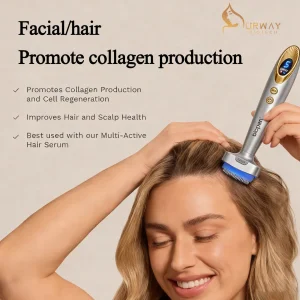
Guangdong Miura Beauty Co. Ltd. remains at the forefront of cellular beauty and diagnostics, engineering solutions that merge electronics, AI, and biotechnology.
Moving beyond superficial hydration, we are designing active complexes that directly modulate the cutaneous nervous system. By blocking the activation of TRPV1 and downregulating substance P release, our upcoming formulations will neutralize the sensations of itching, burning, and tight feeling immediately upon touch.
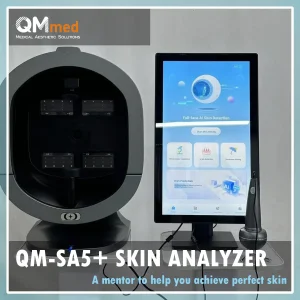
Integrating advanced optical diagnostic systems (such as the 3D Magic Mirror and AI Hair Tester) directly into client sales networks. This creates a data loop where skin analysis machines detect sub-clinical redness or barrier degradation, automatically recommending your brand's specific Miura-formulated repair serums.
Developing biodegradable emulsifying agents and bio-fermented humectants. We are reducing the dependency on petrochemical derivatives by synthesizing ultra-pure biosurfactants and botanical compounds using sustainable microbe cultures that cause zero epidermal stress.
Get professional, technical answers to common queries regarding sensitive skin formulation, scaling, and compliance.
We operate on a "clean-slate" formulation philosophy. Every active, thickener, and preservative is vetted for hypoallergenic classification. We exclude common sensitizing agents like essential oils, parabens, synthetic colors, phthalates, and drying short-chain alcohols. Preservative systems are optimized to ensure antimicrobial activity while minimizing cell membrane disruption of the natural microbiome.
Our standard OEM/ODM minimum order quantities typically start at 5,000 to 10,000 units depending on container specifications, volume size, and the complexity of the formulation. For specialized ampoules, high-active serums, or diagnostic kits, we can offer flexible MOQ strategies to assist initial market rollouts.
Every formula undergoes exhaustive stability assays over a 12-week timeline. This includes freeze-thaw cycling (-10°C to +45°C), high-speed centrifugation to evaluate phase separation, UV exposure tests to confirm photostability, and packaging-compatibility screening to make sure no container components migrate into the cream.
Yes, our sterile manufacturing setup is cGMP and ISO 22716 accredited. We can develop medical-grade protective barrier creams or post-procedure recovery ointments under tight microbiological checks, matching specifications required for pharmacy distribution channels.
Absolutely. We trace our botanical raw materials back to their extraction sources. We prioritize clean eco-extraction methods (such as subcritical water extraction or CO2 fluid extraction) which prevent solvent residue contamination and maintain high bioactivity integrity.
For existing, pre-tested library formulas, launch readiness can be achieved in 4 to 6 weeks. For custom chemical formulations requiring bespoke active profiles, clinical testing, and custom packaging designs, the standard timeline spans 3 to 5 months.
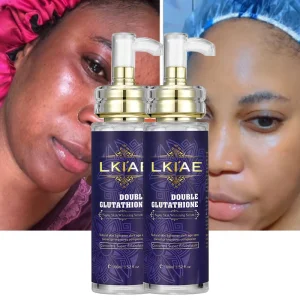
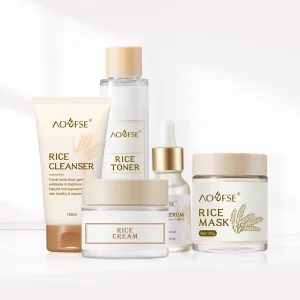
Integrating innovative mechanical devices and plant-derived vegan therapies to complete your clinical skincare ecosystem.
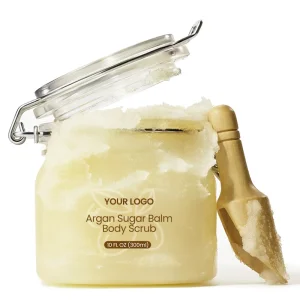
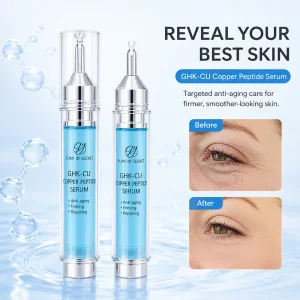
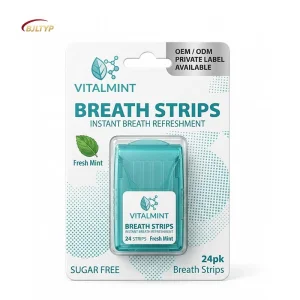
 Miura Beauty