Why Transition to a Minimalist Skincare Routine?

Time:2026-11-05 Author:Sienna
0%

A bathroom shelf crowded with cleansers, serums, and half-used creams can make skincare feel like another daily chore. A minimalist routine offers a calmer alternative: fewer products, chosen for clear purposes and used consistently. The goal is not to own as little as possible. It is to understand what your skin needs and avoid adding steps without a good reason. Dermatologist Dr. Leslie Baumann has emphasized, “There is no one-size-fits-all approach to skin care.” That idea matters when deciding how to transition to a minimalist skincare routine, because skin type, sensitivities, and concerns vary from person to person.

A practical change starts with the basics: a gentle cleanser, moisturizer, and broad-spectrum sunscreen suited to your skin. Keep familiar products that work, and pause extras one at a time rather than replacing everything overnight. Watch for changes such as tightness, redness, or new breakouts. Small details count. A moisturizer that feels comfortable after washing may be more useful than a complicated stack of treatments you rarely follow. If a product causes persistent irritation, stop using it and seek advice from a qualified dermatologist. Minimalism is not a cure-all, and fewer products do not guarantee perfect skin. I still think it is easy to mistake “simple” for “effortless”; routines need patience, and individual results can differ. The following outline explores how to simplify thoughtfully, choose essentials, and make adjustments without turning skincare into guesswork.
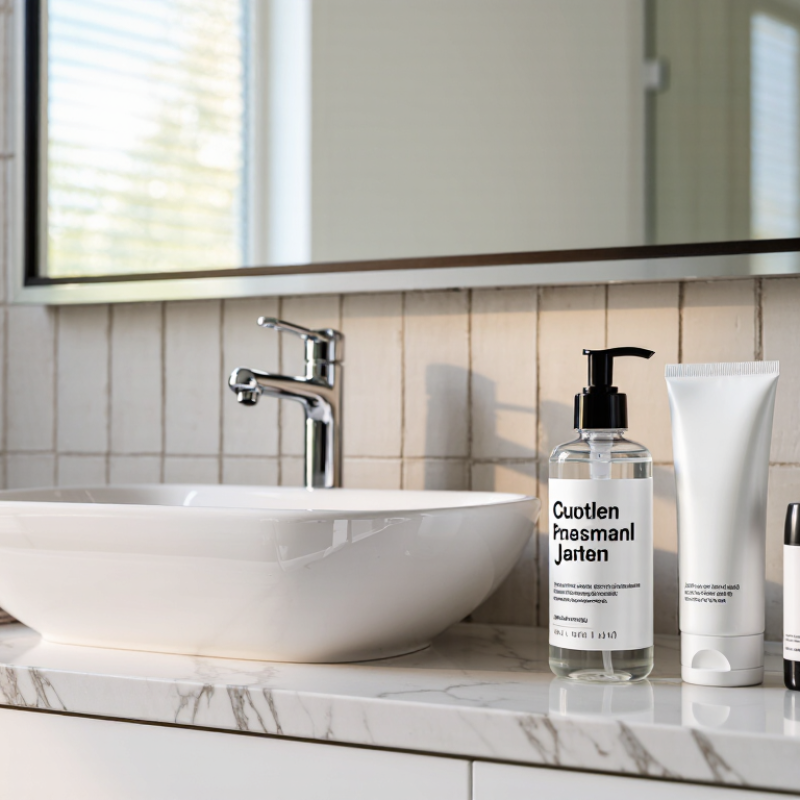
Why Transition to a Minimalist Skincare Routine?

Defining a Minimalist Skincare Routine

A minimalist skincare routine is not a fixed three-product rule. It is a small, repeatable set of steps selected for your skin’s needs, tolerance, and daily life. Many people can start with a gentle cleanser, a moisturizer, and broad-spectrum sunscreen for daytime use. Cleansing removes sweat, excess oil, and residue; moisturizer helps limit dryness and support the skin barrier; sunscreen helps protect exposed skin from ultraviolet damage. That may be enough. More steps are not automatically more effective.

For a routine to stay minimalist, add a treatment only when it addresses a clear concern, such as acne or uneven tone. Introduce one new product at a time and watch for burning, persistent redness, or worsening dryness. A patch test can help reveal irritation, though it cannot guarantee a product will suit your whole face. The routine should change with season, medication, and skin response, not every time a trend appears. It may feel oddly incomplete at first. Resist the urge to fill every shelf. If symptoms persist or a skin concern is unclear, ask a qualified dermatologist rather than layering stronger products.

How Fewer Products Can Support the Skin Barrier

A minimalist skincare routine is not about doing nothing. It is about keeping the skin barrier’s daily workload manageable. Cleansing, moisturizing, and sun protection may be enough for many people. Fewer products can mean fewer ingredients rubbing against already dry or irritated skin. Less can help. But it is not a guarantee: even a simple formula may sting, and some skin concerns need more targeted care.

A practical routine might begin with a gentle cleanser at night, followed by a moisturizer on slightly damp skin. In the morning, use sun protection suited to your needs. Add only one new product at a time, then watch for tightness, redness, or burning over several days. That makes it easier to notice what your skin tolerates. I admit, a short routine can feel almost too bare when a shelf is full of promising jars. Still, more steps do not automatically mean better support. Persistent discomfort or worsening symptoms deserve advice from a qualified dermatologist, not another round of guesswork.

Why Transition to a Minimalist Skincare Routine?

How fewer products can support the skin barrier

What this shows: Healthy skin surface is naturally mildly acidic. Traditional soap is typically more alkaline than skin, while syndet cleansers are often closer to skin pH. A simple routine may help avoid unnecessary cleansing and product layering; pH alone does not measure barrier health or prove a clinical outcome.

Approximate typical pH ranges; actual values vary by person, product, and measurement conditions. Sources: Lambers et al., International Journal of Cosmetic Science (2006); Tarun et al., Indian Journal of Dermatology (2014).

Potential Benefits of Simplifying Daily Skincare

Why Transition to a Minimalist Skincare Routine?

Potential Benefits of Simplifying Daily Skincare

A simpler routine can make daily care easier to follow, especially on rushed mornings. Using fewer products may also make it easier to notice what irritates your skin. If redness appears after adding a new serum, for example, there are fewer possible causes to investigate. This is useful, but it is not a guarantee of clearer skin. A minimalist routine can feel almost too plain at first.

Keeping the basics consistent may support the skin barrier and reduce unnecessary exposure to fragrances or strong active ingredients. A gentle cleanser, moisturizer, and broad-spectrum sunscreen are enough for many everyday routines. Needs differ, though: acne, eczema, and other persistent concerns may benefit from professional advice. Fewer steps do not always mean better results, and even a well-chosen product can disagree with your skin. Give changes time, but stop using a product that causes a strong reaction.

Tips: Add only one new product at a time, and note changes in a simple skin diary. Keep the routine steady for a few weeks when possible. If irritation persists, seek advice from a qualified healthcare professional.

How to Transition to a Minimalist Routine Safely

Why Transition to a Minimalist Skincare Routine?

How to Transition to a Minimalist Routine Safely

A smaller routine can make it easier to notice what helps and what irritates your skin. But fewer products do not automatically mean fewer problems. Keep the basics that suit you: a gentle cleanser, moisturizer, and daytime sunscreen. If you use a prescribed treatment, ask your clinician before changing how you use it.

It is tempting to replace everything on a Sunday night. Resist that urge. Add or swap one product at a time, then give your skin several days to respond before making another change. Test new products on a small area, following their directions. Watch for persistent burning, swelling, or a rash; stop using the product and seek medical advice if symptoms are severe or do not settle.

Keep a simple note on your phone: product, date started, and any changes such as dryness or stinging. That small record can help identify patterns, though skin reactions are not always easy to explain. Slow is useful. If your skin is already inflamed, or you have a diagnosed skin condition, a dermatologist can help you simplify without dropping care you need. A minimalist routine should feel manageable, not like a test of endurance.

Factors That Shape Individual Skincare Needs

Skincare needs depend on more than whether skin feels oily or dry. Age, genetics, climate, hormones, medication, and diagnosed conditions can all change how skin responds. A 2019 international survey published in the Journal of the European Academy of Dermatology and Venereology found that 60–70% of women and 50–60% of men reported sensitive skin. Self-reported sensitivity is not a diagnosis, but it shows why one routine cannot suit everyone. Context matters.

Acne is another reason to tailor a routine. The American Academy of Dermatology estimates that acne affects up to 50 million people in the United States each year. That figure does not mean everyone needs more products; persistent or painful acne may need professional assessment. Climate can matter, too: a dry, heated room may leave skin feeling tight, while sweat and friction can aggravate irritation. Notice the details. Is redness worse after a new cleanser, a long shower, or a cold commute? A simple routine can make those patterns easier to track, though it will not identify every cause. It is tempting to label skin quickly. I would treat those labels as clues, not rules, and change one product at a time when practical.

FAQS

What basics should a minimalist skincare routine keep?

Keep a gentle cleanser, moisturizer, and daytime sunscreen if they suit your skin. Simple, not bare.

How quickly should I remove or replace products?

Change one product at a time. Wait several days and watch for dryness, stinging, or other changes.

How can I test a new product?

Try it on a small area and follow its directions. A phone note can help track the date and reaction.

What should I do if a product causes irritation?

Stop using it if you notice persistent burning, swelling, or a rash. Seek medical advice if symptoms are severe or do not settle.

Should I change a prescribed treatment while simplifying my routine?

Ask your clinician before changing how you use a prescribed treatment. You may still need that care.

Does oily or dry skin tell the whole story?

No. Age, genetics, climate, hormones, medication, and skin conditions can also affect how skin responds.

Can a simpler routine help me spot irritation triggers?

It may make patterns easier to notice. For example, note whether redness follows a new cleanser, a long shower, or a cold commute.

When should I ask a dermatologist for help?

Consider professional advice if your skin is inflamed or you have a diagnosed condition. Persistent or painful acne may also need assessment. Skin labels are clues, not rules.

Conclusion

A minimalist skincare routine focuses on a small number of products chosen to meet essential needs, such as cleansing, moisturizing, and protecting the skin from the sun. Using fewer products may make it easier to notice how the skin responds and reduce unnecessary layering that can contribute to irritation or disrupt the skin barrier. Simplifying a routine can also save time, make daily care more consistent, and help people make more thoughtful choices about what they use.

Learning how to transition to a minimalist skincare routine starts with reviewing current products and removing nonessential steps gradually rather than changing everything at once. Keep familiar, well-tolerated basics, introduce any replacement products one at a time, and watch for changes in comfort or appearance. The right routine depends on factors such as skin type, sensitivity, climate, age, and personal concerns, so minimalism does not mean following the same routine as everyone else. If persistent irritation or other concerns arise, seek guidance from a qualified skincare professional.

Sienna

Sienna

Sienna is a skilled marketing professional with a deep expertise in our company’s core products and services. With a passion for innovation and detail, she plays a pivotal role in crafting insightful blog posts that not only highlight the unique features of our offerings but also provide valuable......