Shaving can leave more than smooth skin. A small red bump may form when a cut hair curls back into the skin. It can feel tender, itchy, or surprisingly painful around the neck, legs, bikini line, or underarms. Understanding how to treat ingrown hairs after shaving helps reduce irritation and prevents rough, repeated flare-ups.
This guide presents ten practical methods supported by common dermatology advice. It covers gentle cleansing, warm compresses, careful exfoliation, shaving technique, and suitable moisturizers. A warm, damp washcloth placed over a bump for several minutes may soften the skin. Avoid squeezing or digging with tweezers, especially when the hair remains deeply trapped. That can cause infection, scarring, or darker marks.
Small changes matter. Use a clean razor, shave in the direction of hair growth, and avoid pressing hard. Fragrance-free products may be kinder to sensitive skin. However, no routine works perfectly for everyone. Curly or coarse hair may need extra care, and frequent bumps can signal a condition requiring professional evaluation. A dermatologist can confirm whether the problem is an ingrown hair, folliculitis, acne, or another skin concern. Seek medical advice for spreading redness, increasing warmth, severe pain, pus, fever, or bumps that do not improve. These suggestions are educational, not a substitute for individualized care.
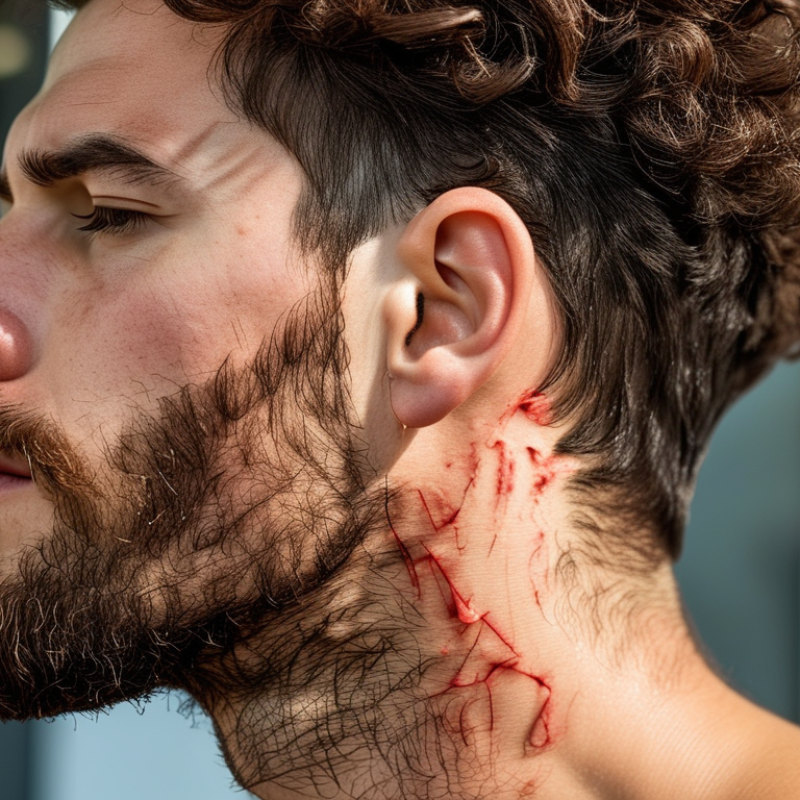
Ingrown hairs develop when a shaved hair curls back into the skin instead of growing outward. Curly, coarse, or tightly shaved hair is more likely to do this. A blunt razor can leave a sharp edge, which may pierce nearby skin. Dead skin, friction, sweat, and tight clothing can also block the follicle. The result may look like a small red bump, sometimes with tenderness or pus. It is easy to blame shaving alone, but skin type and technique matter too.
Treatment starts with stopping shaving the area for several days.
Apply a warm, clean cloth for 10 minutes to soften the skin. Gently exfoliate; harsh scrubbing can worsen irritation. Do not squeeze, dig, or pull the hair with unclean tools. Use a fresh, clean razor, shaving gel, and light pressure. Shave in the direction of growth, rather than seeking an extremely close shave. A fragrance-free moisturizer can reduce dryness and friction. Products containing salicylic acid may help loosen trapped skin, but use them cautiously. A pharmacist or clinician can advise whether a mild anti-inflammatory cream is suitable. Seek medical care if pain, swelling, spreading redness, or pus increases. Repeated bumps deserve professional assessment, because they may be mistaken for acne or infection. Personal experience often encourages closer shaving, yet that habit can quietly create more bumps.
When a shaved area feels hot, tight, or tender, pause shaving immediately. Wash your hands, then rinse the skin with lukewarm water and a mild, fragrance-free cleanser. Pat gently; rubbing can worsen tiny abrasions. Apply a cool, clean compress for five to ten minutes. This can reduce redness and stinging. Do not squeeze, scratch, or dig for the trapped hair. That habit often causes darker marks and infection.
After the swelling settles, use a warm compress for several minutes. It may soften the skin and help the hair emerge naturally. Consider gentle exfoliation with a soft cloth or a suitable chemical exfoliant, but never scrub broken skin. Apply a light, fragrance-free moisturizer afterward. Wear loose clothing to reduce friction, especially around the neck, bikini line, or thighs. Keep razors clean, avoid dull blades, and shave with the hair’s growth direction during future sessions.
I used to think stronger scrubbing meant faster results. It usually created more irritation. Skin needs patience, not force. Stop any product that burns sharply. A pharmacist or dermatologist can recommend a short course of an anti-inflammatory treatment when appropriate. Seek medical care if pain increases, pus appears, redness spreads, or fever develops. Repeated bumps may reflect shaving technique, curly hair growth, or another skin condition, so professional evaluation is worthwhile.
Top 10 Ways to Treat Ingrown Hairs After Shaving
Ingrown hairs form when shaved hair curls back into the skin. They may cause redness, itching, tenderness, or small bumps. Safe treatment starts with patience. Pause shaving over the area, then wash gently with warm water and a fragrance-free cleanser. Apply a warm, clean compress for 10 minutes. This can soften the skin and encourage the hair to emerge naturally. Never dig with sharp tools or squeeze the bump. That can cause infection, scarring, or darker marks. When the hair tip appears, lift it gently with clean tweezers, but do not pull the root. Other useful options include applying a soothing moisturizer, using a mild exfoliant, wearing loose clothing, reducing friction, and asking a healthcare professional about a suitable anti-inflammatory or acne treatment. Severe pain, spreading redness, pus, or repeated bumps require medical advice.
Tips: Shave in the direction of hair growth, use warm water, and replace dull blades regularly. Keep the skin moisturized. Avoid alcohol-heavy products if they sting. A small patch test is wise, although I sometimes skip it when rushed. That is not ideal. Do not shave too closely, and avoid repeated passes over sensitive skin. If bumps continue despite careful habits, a dermatologist can check for folliculitis or another skin condition. Their guidance is more reliable than internet shortcuts.
Ingrown hairs often begin with technique, not bad luck. A review in the Journal of Clinical and Aesthetic Dermatology reports that pseudofolliculitis barbae may affect up to 60% of men with tightly curled hair. Curved hairs can re-enter the skin after a close shave. Use warm water for several minutes, then apply a fragrance-free shaving gel. Shave with the grain, not against it. Keep your strokes short and gentle. Do not stretch the skin.
Choose a clean, sharp blade and rinse it after every stroke. A single- or double-blade razor may reduce excessive closeness. Replace disposable blades regularly; a dull edge pulls hair and increases irritation. Dermatology guidance also recommends avoiding repeated passes over the same patch. I sometimes see people press harder around the jawline. That feels efficient, but it usually creates more inflammation.
Tips: Leave a small amount of stubble. Rinse with cool water and pat dry. Apply a plain, non-comedogenic moisturizer. Avoid tight collars, scrubbing, and picking for 24 hours. If bumps appear, pause shaving until tenderness settles. Persistent pus, spreading redness, dark marks, or painful lumps need professional assessment. The American Academy of Dermatology Association advises discussing persistent razor bumps with a dermatologist, especially when home care repeatedly fails. Perfect technique is not realistic; skin response still matters.
Mild ingrown hairs often improve with warm compresses, gentle cleansing, and pausing close shaving. Avoid squeezing them. That can push bacteria deeper and leave dark marks. A clean razor, shaving with the grain, and loose clothing may reduce repeated irritation. Dermatology reviews report pseudofolliculitis rates reaching about 60% in some high-risk shaving populations, especially among men with tightly curled hair.
Persistent bumps need a different response. See a qualified dermatologist when swelling, pus, spreading redness, severe pain, or fever appears. Professional care may include prescription anti-inflammatory treatment, antibacterial medicine, or carefully selected hair-removal procedures. The American Academy of Dermatology advises medical assessment when home care fails or lesions repeatedly return. A 2023 review in Dermatologic Surgery also supports individualized treatment, because skin tone, hair curl, and scarring risk affect outcomes.
Do not wait too long.
A clinician should also examine firm bumps that bleed, ulcerate, or remain for several weeks. They may not be ingrown hairs. In my experience, people often overuse scrubs, acids, or sharp tools, expecting faster results. That approach can worsen irritation. I would question any advice promising a permanent cure after one treatment. Even professional plans require shaving changes and follow-up. The evidence is useful, but not perfect, and treatment should be adjusted when the skin reacts badly.
: Stop shaving. Wash your hands and rinse the area with lukewarm water. A cool, clean compress may reduce stinging and redness. Use it for five to ten minutes. Pat the skin dry instead of rubbing it.
No. Do not squeeze, scratch, or dig into the bump. These actions can cause infection, darker marks, and deeper irritation. Let the hair emerge naturally when possible.
Yes, after swelling settles. Apply a warm compress for several minutes. It may soften the skin and help the trapped hair move outward. Results are not immediate.
Use only gentle exfoliation on intact skin. A soft cloth may be enough. Avoid scrubs and chemical exfoliants over cuts, bleeding, or open bumps. Stop any product that burns sharply.
Soften the hair with warm water for several minutes. Apply a fragrance-free shaving gel. Use a clean, sharp blade and shave in the hair-growth direction. Keep strokes short and gentle. Do not stretch the skin.
Not always. Leaving slight stubble may reduce recurring bumps. Avoid repeated passes over the same area. A dull blade can pull hair and increase inflammation.
Rinse with cool water and pat dry. Apply a light, fragrance-free moisturizer. Wear loose clothing around the neck, thighs, or bikini line. Avoid tight collars, scrubbing, and picking for 24 hours.
Seek care if pain increases, pus appears, redness spreads, or fever develops. Also seek evaluation for bleeding, ulcerated, firm, or persistent bumps. Some bumps are not ingrown hairs. Repeated problems may need an individualized treatment plan.
Ingrown hairs often develop after shaving when a cut hair curls back into the skin, causing redness, bumps, itching, or tenderness. This summary explains how to treat ingrown hairs after shaving by first calming the area with gentle cleansing, cool compresses, and fragrance-free moisturization. Avoid picking, squeezing, or repeatedly shaving irritated skin, as these actions can worsen inflammation and increase the risk of infection or scarring.
It also presents ten safe approaches for releasing and preventing ingrown hairs, including mild exfoliation, warm compresses, careful hair removal, and consistent skin hydration. Improved shaving habits—such as using a clean, sharp razor, shaving in the direction of hair growth, reducing pressure, and avoiding overly close passes—can help prevent future bumps. When ingrown hairs are painful, widespread, repeatedly return, or fail to improve, professional medical care may be needed for safe evaluation and treatment.
