Why Am I Getting Pimples on My Neck and How to Treat Them?

Time:2026-07-07 Author:Sophia
0%

Dealing with skin issues can be frustrating, and pimples on the neck are no exception. Dermatologist Dr. Lisa Johnson emphasizes, "Understanding the root causes of neck acne is crucial for effective treatment." She highlights that many factors contribute to this condition, prompting the question, "why am I getting pimples on my neck?"

Various factors could be at play. Hormonal imbalances, stress, and poor hygiene may lead to breakouts. Additionally, the use of certain hair products can clog pores, resulting in unwanted blemishes. Many people overlook their neck, focusing solely on facial skincare. However, this area is susceptible to acne as well.

Identifying the cause is essential for treatment. Monitoring changes in lifestyle, such as diet or stress levels, can provide insight. Reflecting on daily habits could reveal the triggers behind those stubborn pimples. Finding a tailored approach is key to achieving clearer skin on your neck.
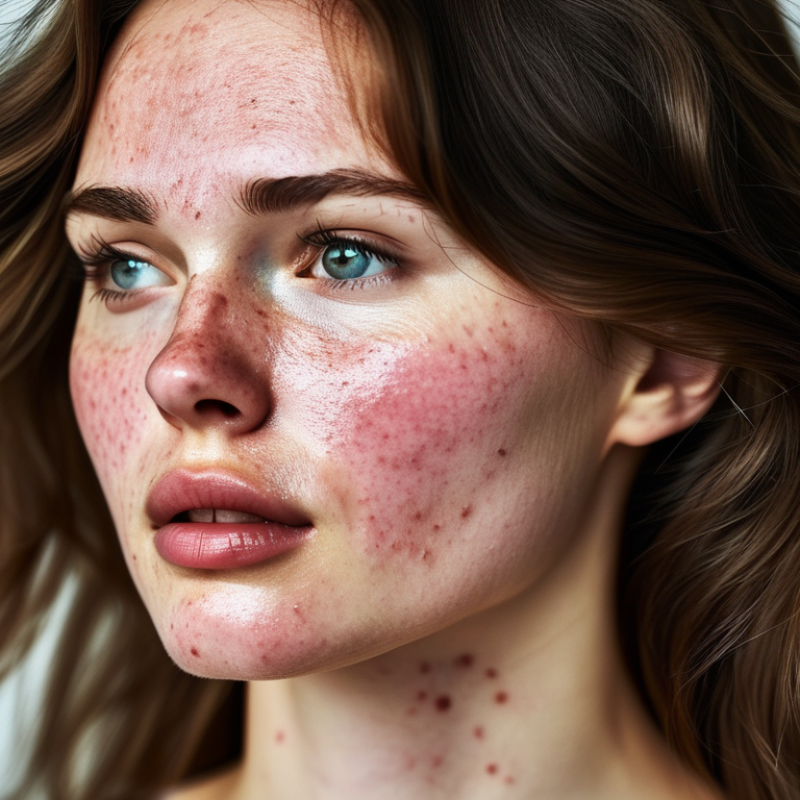
Why Am I Getting Pimples on My Neck and How to Treat Them?

Causes of Pimples on the Neck: Understanding the Triggers

Pimples on the neck can be frustrating and uncomfortable. Understanding their causes is essential for effective treatment. Common triggers include hormonal changes, stress, and improper hygiene. Stress can amplify oil production in the skin, leading to breakouts. Research indicates that 50% of adults experience stress-related acne. Hormonal fluctuations, especially during menstrual cycles, also play a significant role.

Poor skincare routines can exacerbate the issue. Using heavy or non-comedogenic products is vital. Dirty pillowcases and mobile devices can introduce bacteria to the neck area. According to a study, 30% of people neglect proper cleaning of personal items that touch the skin. It is crucial to adopt a consistent cleansing routine to reduce pimples.

Diet and lifestyle choices matter as well. High-sugar diets may trigger inflammation, potentially leading to breakouts. Regular exercise promotes better blood circulation, which can improve skin health. Still, it's important to remember that achieving clear skin is a gradual process, requiring ongoing effort and reflection on personal habits.

Types of Pimples: Identifying Different Forms on the Neck

When it comes to pimples on the neck, understanding the types can greatly aid in treatment. Common forms include acne, folliculitis, and contact dermatitis. Acne is a result of clogged pores, while folliculitis occurs when hair follicles become inflamed. Contact dermatitis is often triggered by irritants or allergens. According to the American Academy of Dermatology, 85% of people experience acne at some point in their lives.

Tips: Always keep your neck clean. Choose gentle cleansers that won’t irritate your skin. Avoid heavy or greasy products, as they may worsen acne.

Observation is key. Take note of when and where these pimples appear. Are they related to stress or certain products? Identifying triggers can help reduce occurrences. The National Institutes of Health highlights that understanding your skin type and the products you use can lead to better management.

Tips: Exfoliate gently. This can help remove dead skin and prevent clogged pores. If the pimples persist, consult a dermatologist for tailored advice.

Types of Pimples on the Neck

This bar chart illustrates the different types of pimples that can appear on the neck, including whiteheads, blackheads, pustules, papules, and cysts. The data represents the reported number of cases for each type, helping to understand the prevalence of various forms of neck acne.

Preventative Measures: Simple Steps to Avoid Neck Pimples

Neck pimples can be frustrating and uncomfortable. Understanding how to prevent them is essential. Research shows that around 54% of people experience body acne at some point. One key factor is clogged pores. Sweat, oil, and dead skin can build up. Keeping the neck area clean can reduce these blockages.

Simple daily habits can make a difference. Regular washing with a gentle cleanser removes excess oil. Opt for non-comedogenic products that do not clog pores. Avoid tight clothing and accessories. Friction can irritate the skin, leading to breakouts. Remember, even hair products can contribute to neck pimples. Choosing lighter formulas can help prevent this.

Stress is another factor to consider. When stressed, your body produces more oil. This can lead to increased acne. Stress management techniques, such as yoga or meditation, can be beneficial. Maintaining a healthy diet rich in fruits and vegetables boosts skin health. Proper hydration is crucial too. Sometimes it takes a little trial and error to find the best routine for your skin. Be patient and observe how your skin responds to different methods.

Effective Treatments: Solutions for Managing Neck Acne

Neck acne can be frustrating and uncomfortable. Understanding effective treatments can help manage this condition. Start by maintaining a consistent skincare routine. Clean your neck daily to remove excess oil and dirt. Using a gentle cleanser is crucial. Look for ingredients like salicylic acid or benzoyl peroxide. These can reduce inflammation and clear clogged pores.

Consider incorporating exfoliation into your routine. This helps remove dead skin cells that can contribute to breakouts. Use a chemical exfoliant once or twice a week, but avoid over-exfoliating, as it can worsen irritation. Wearing breathable fabrics can also make a difference. Tight clothing may trap sweat and oil, leading to more pimples.

Topical treatments such as retinoids can offer longer-term solutions. They promote cell turnover and prevent new acne from forming. Lifestyle changes also play a role in prevention. Stress management techniques, like yoga or meditation, can reduce stress-related breakouts. While these solutions may not work for everyone, finding the right combination is essential. It’s important to be patient and trial different methods.

When to See a Dermatologist: Recognizing Serious Skin Issues

When dealing with pimples on your neck, it's crucial to know when to consult a dermatologist. Sometimes, these breakouts are harmless. However, there are moments when they indicate deeper issues. If your neck pimples persist or worsen, don’t hesitate to seek professional advice. Ignoring prolonged symptoms can lead to complications.

Look for signs that warrant a visit. Unusual swelling, severe redness, or painful lesions should raise alarm bells. If you experience itchiness or flu-like symptoms alongside the pimples, professional evaluation is necessary. Skin issues can reflect other health conditions. Being proactive can help in early diagnosis and management.

Remember that not all skin problems resolve on their own. You deserve expert opinion when in doubt. Each case is unique. Documenting your symptoms and changes can provide valuable insights for your dermatologist. Prioritize your health and never hesitate to ask for help.

FAQS

: What are common types of pimples on the neck?

: Common types include acne, folliculitis, and contact dermatitis.

What causes acne on the neck?

Acne forms due to clogged pores filled with oil, sweat, and dead skin.

How can I prevent neck pimples?

Keep your neck clean and use gentle cleansers to avoid irritation.

Why should I avoid heavy products?

Heavy or greasy products can trigger or worsen acne on your neck.

How does stress affect neck pimples?

Stress increases oil production, which can lead to more pimples.

Is exfoliation helpful for neck skin?

Yes, gentle exfoliation can remove dead skin and prevent clogged pores.

When should I see a dermatologist?

If pimples persist despite care, a dermatologist can offer tailored advice.

Can clothing contribute to neck pimples?

Yes, tight clothing can cause friction and irritation, leading to breakouts.

What’s the role of diet in skin health?

A diet rich in fruits and vegetables supports overall skin health.

What if my current routine isn't working?

It may take time to find what works; be patient and adjust as needed.

Conclusion

If you find yourself wondering, "why am I getting pimples on my neck," it's essential to understand the potential triggers behind this skin issue. Common causes include hormonal changes, irritation from clothing or hair products, and poor hygiene. Different types of pimples may appear on the neck, ranging from small whiteheads to larger cystic acne, each requiring different approaches in treatment.

To effectively manage and prevent neck pimples, adopting simple skincare routines can make a significant difference. Regularly cleansing the neck area, avoiding heavy or irritating products, and wearing breathable fabrics can help reduce breakouts. If the problem persists or worsens, it may be time to consult a dermatologist to identify any underlying skin conditions and explore suitable treatment options. Understanding these factors can empower you to take charge of your skin health.

Sophia

Sophia

Sophia is a dedicated marketing professional with an exceptional depth of knowledge about her company's products and services. With a keen understanding of market trends and customer needs, she crafts insightful blog posts that not only inform but also engage readers, enriching the company’s online......