When skin feels tight after washing, stings under moisturizer, or flakes around the nose, its protective barrier may be struggling. These signs can have other causes, so they do not prove barrier damage. Still, they offer a reason to pause harsh scrubs, strong acids, and fragranced products. How to repair damaged skin barrier is not about adding more steps. It is usually about reducing irritation and giving skin a calmer routine.
Board-certified dermatologist Dr. Hadley King’s guidance can be paraphrased this way: “Use gentle skincare and moisturizers to support the skin barrier, and avoid products that irritate it.” This is a paraphrase, not a direct quotation. A practical routine often starts with lukewarm water, a mild cleanser, and a fragrance-free moisturizer. A thin layer after washing can help reduce that dry, tight feeling. Keep it simple. Skin recovery is not always quick, and one product may still sting. That part is frustrating. If symptoms persist, worsen, or include painful cracking, a dermatologist can check for eczema, allergy, or another condition. This guide will explain common signs of barrier stress, ingredients to consider, habits to pause, and when professional advice matters. It will not promise an overnight fix; skin rarely follows a tidy schedule.
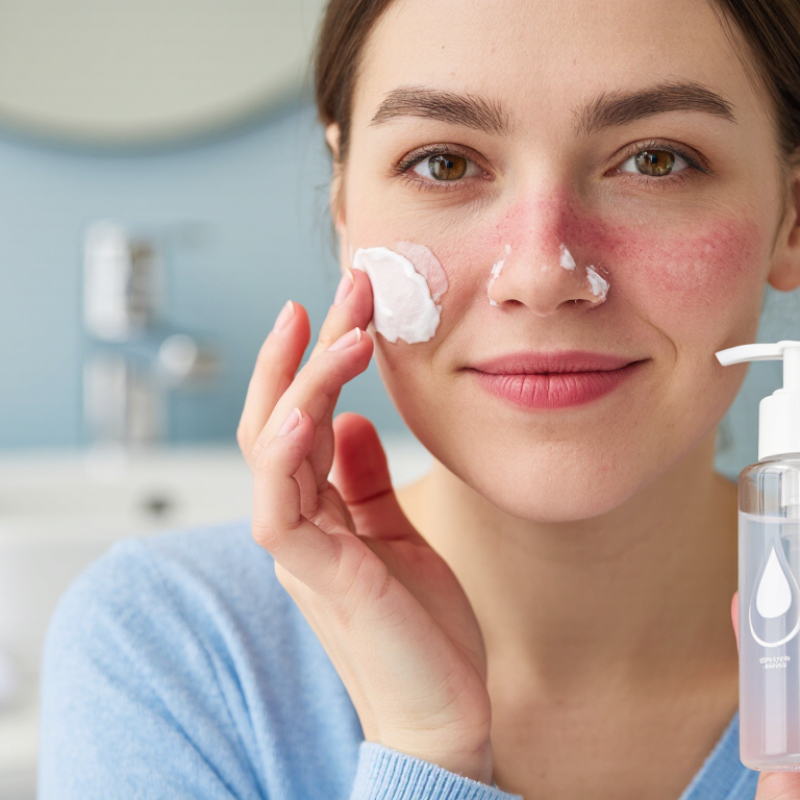
Understanding the Skin Barrier and Recognizing Damage
The skin barrier is the outermost part of the epidermis. Its stratum corneum is often described as “bricks and mortar”: skin cells sit within a matrix of ceramides, cholesterol, and fatty acids. A review in Experimental Dermatology describes this lipid structure as essential for limiting water loss and blocking irritants (Proksch et al., 2008). The layer is thin, but active. It also helps maintain the skin’s slightly acidic surface; research reviews commonly report a pH around 4.5–5.5.
When the barrier is disrupted, water escapes more easily and irritants may trigger stronger reactions. A 2017 review in the Journal of the European Academy of Dermatology and Venereology identifies dryness, redness, scaling, and increased sensitivity as signs associated with impaired barrier function (Darlenski et al., 2017). In daily life, this can feel like tightness after washing, or sting when applying a familiar product. Not always. Similar signs can come from conditions such as eczema, so appearance alone cannot confirm the cause.
Researchers often assess barrier function by measuring transepidermal water loss, or TEWL. Higher readings can indicate more water escaping through the skin, though results vary by body site, temperature, and measurement method. That detail matters: one irritated patch does not tell the whole story. Notice when symptoms began, where they appear, and whether they persist; a clinician can assess ongoing or worsening irritation.
How to Repair a Damaged Skin Barrier? — Understanding the Skin Barrier and Recognizing Damage
Typical pH Ranges: Skin Surface and Cleansing Products
Healthy skin is usually mildly acidic, while alkaline soaps can have a higher pH. If your skin feels tight, dry, or irritated, consider a gentle cleanser and a fragrance-free moisturizer. Values shown are typical approximate ranges; individual products and skin can vary.
Identifying Common Causes of Skin Barrier Disruption
How to Repair a Damaged Skin Barrier?
Identifying Common Causes of Skin Barrier Disruption
The skin barrier is the outer layer that helps limit water loss and shield skin from irritants. When disrupted, skin may feel tight, look flaky, or sting after applying familiar products. These signs can have several causes, and they do not prove a barrier problem on their own.
Frequent exfoliation, abrasive scrubs, and cleansers that leave skin feeling stripped can contribute to irritation. Strong active ingredients may also cause trouble when introduced too often or layered together. Hot showers, cold winds, dry indoor air, and excessive sun exposure can add stress. Small clues matter. Notice whether discomfort begins after a new product, a change in weather, or a shift in routine. It is tempting to blame one product, though several small irritants may be adding up.
Some skin conditions and certain medicines can also cause dryness or sensitivity, so not every flare comes from skincare habits. Keep track of what changed and when; a simple note is useful, though it may not reveal the answer immediately. Avoid adding multiple new products while skin is irritated. If symptoms are severe, persist, or include painful cracking or swelling, seek advice from a qualified healthcare professional.
Simplifying Skin Care to Reduce Irritation
How to Repair a Damaged Skin Barrier?
When skin feels tight, flaky, or unusually stingy, a simpler routine can reduce irritation. The barrier needs time, not a crowded shelf of treatments. For a while, pause exfoliating acids, retinoids, scrubs, and products that repeatedly cause discomfort. Wash with lukewarm water and a mild, fragrance-free cleanser, using your fingertips rather than a cloth. Pat dry gently. Choose a basic moisturizer with familiar, non-irritating ingredients, and apply it while skin is slightly damp. Keep the routine boring.
In the morning, use a broad-spectrum sunscreen that your skin tolerates; if it stings, ask a pharmacist or clinician about suitable alternatives. At night, cleanse gently and moisturize again. Avoid hot showers and rubbing flaky areas, even when they look tempting to “fix.” Changing several products at once makes it harder to spot a trigger.
That is easy to forget.
A plain routine will not suit everyone, and improvement may be gradual rather than dramatic. If burning, swelling, cracking, or persistent redness continues, or symptoms worsen, seek advice from a qualified healthcare professional.
Supporting Barrier Repair with Moisture and Sun Protection
How to Repair a Damaged Skin Barrier?
Supporting Barrier Repair with Moisture and Sun Protection
A stressed skin barrier can feel tight, rough, or sting when water touches it. Keep cleansing gentle, and pause scrubs, exfoliating acids, and strongly fragranced products while irritation settles. After washing, pat lightly and apply a fragrance-free cream or ointment to slightly damp skin. The American Academy of Dermatology recommends moisturizing after bathing to help reduce water loss.
Sun protection helps limit additional UV stress while skin recovers. Choose broad-spectrum SPF 30 or higher, as recommended by the AAD, and reapply outdoors according to the label. In a randomized Australian trial of 903 adults, daily sunscreen use was linked to 24% lower odds of increased skin aging over 4.5 years than discretionary use (Hughes et al., Annals of Internal Medicine, 2013). That study examined photoaging, not barrier repair directly, so sunscreen should be seen as protection, not a cure. Recovery can be uneven; even a careful routine may sting at first.
Tips: Use lukewarm water, keep a small moisturizer near the sink, and test new products on a limited area. If burning or redness persists, worsens, or cracks appear, seek advice from a qualified clinician.
How to Repair a Damaged Skin Barrier? — Supporting Barrier Repair with Moisture and Sun Protection
| Care dimension |
Practical approach |
How it supports the skin barrier |
Helpful cautions |
| Gentle cleansing |
Use lukewarm water and a mild, fragrance-free cleanser. Cleanse gently, usually once or twice daily, and avoid scrubbing. |
Helps remove sweat, sunscreen, and debris while reducing unnecessary stripping and friction. |
Stop or reduce a cleanser that causes persistent stinging, tightness, or worsening irritation. |
| Moisturizing |
Apply a fragrance-free moisturizer after washing, while skin is slightly damp. Reapply when skin feels dry. |
Moisturizers help reduce water loss and relieve dryness. Products may contain humectants, emollients, and occlusive ingredients. |
Choose a texture that feels comfortable and does not irritate your skin; ingredient tolerance varies. |
| Routine simplification |
Temporarily pause nonessential products, especially exfoliating acids, retinoids, scrubs, and strongly fragranced products if they cause irritation. |
A simpler routine can reduce exposure to potential irritants while the skin settles. |
Do not stop prescribed treatment without discussing it with the prescribing clinician. |
| Sun protection |
Use a broad-spectrum sunscreen with SPF 30 or higher on exposed skin. Reapply at least every two hours outdoors, and after swimming or sweating. |
Helps protect skin from ultraviolet radiation, which can contribute to skin damage and irritation. |
Seek shade and use protective clothing too. Choose a sunscreen you can apply generously and tolerate. |
| Bathing habits |
Keep showers short and use warm rather than hot water. Pat skin dry instead of rubbing, then moisturize. |
Gentler washing and prompt moisturizing can help limit dryness. |
Frequent hot showers and vigorous towel drying may worsen dry or sensitive skin. |
| Monitoring and medical advice |
Introduce products cautiously and note any reaction. Seek medical advice for severe, persistent, painful, or worsening symptoms. |
Skin irritation can have different causes, and a clinician can assess symptoms and recommend appropriate care. |
Get prompt care for signs of infection, such as spreading redness, warmth, swelling, pus, or fever. |
Skin needs vary. This table provides general skin-care information and is not a substitute for diagnosis or personalized medical advice.
Knowing When to Seek Professional Care
A damaged skin barrier may leave skin tight, rough, unusually sensitive, or stinging after water or moisturizer. Mild irritation can settle when you pause exfoliating acids, retinoids, scrubs, and fragranced products. Keep cleansing gentle and use a plain moisturizer. But symptoms that keep returning deserve attention. It is easy to assume every flare is “just dryness”; that assumption can delay the right care.
Consider seeing a dermatologist or other qualified healthcare professional if redness, itching, burning, or scaling persists, worsens, or interferes with sleep and daily activities. Get advice sooner if the rash is spreading, painful, swollen, blistered, or oozing. Skin conditions such as eczema, infection, and allergic contact dermatitis can look similar, so a clinician may need to examine the area and ask what products or treatments you have used. Seek urgent help for facial swelling with trouble breathing.
Before an appointment, note when symptoms began and bring a list or photos of products you recently added. A simple log can help, though it may not reveal the cause. Avoid experimenting with several new treatments at once, and ask before stopping a prescribed medicine. Professional guidance can help identify triggers and choose care that fits your skin.
Conclusion
A healthy skin barrier helps retain moisture and protect the skin from irritants, allergens, and environmental stress. When it is disrupted, skin may feel tight, dry, sensitive, or itchy, and can appear red or flaky. Common triggers include harsh cleansers, over-exfoliation, strong skin care products, frequent washing, and exposure to cold or dry conditions. Understanding these signs and possible causes is the first step in deciding how to repair damaged skin barrier.
Keep your routine simple while the skin recovers: use a gentle cleanser, avoid products that sting or worsen irritation, and apply a moisturizer regularly to support hydration. Protecting skin from the sun with shade, clothing, and suitable sunscreen can also help limit further stress. Give the skin time to improve rather than adding multiple new products at once. If symptoms are severe, persistent, painful, or worsening, seek advice from a qualified health professional, since another condition may need attention.

 Miura Beauty