Deodorant can feel reliable at 7 a.m., then disappear by lunchtime. That change is rarely mysterious. Heat, movement, stress, clothing, skin bacteria, and product choice can all alter odor control. The American Academy of Dermatology explains that deodorants reduce odor, while antiperspirants reduce sweat by temporarily blocking sweat ducts. That distinction matters. A deodorant may smell fresh without preventing the dampness that helps odor develop.
Industry research shows why this category remains highly competitive. Euromonitor International’s Beauty and Personal Care 2024 analysis identifies deodorants as a mature, frequently purchased product category, with consumers seeking longer-lasting protection and skin-friendly formulas. Mintel’s research on deodorant and body spray use also highlights growing interest in efficacy, sensitive-skin claims, and convenient application formats. These reports suggest that “all-day” performance depends on more than fragrance strength. It depends on formulation, skin condition, application timing, and daily activity.
So, why does my deodorant stop working afternoon? The answer may involve applying it only after showering, when the skin is still damp. Antiperspirant usually performs better on completely dry skin, often before bedtime, according to dermatology guidance. A shirt’s synthetic fibers can also hold odor compounds close to the body. Stress sweat may smell sharper. It happens.
Personal experience can reveal patterns, but it cannot replace clinical evidence. Try tracking application time, exercise, fabric, and stress for one week. Then reassess the formula. A stronger fragrance is not always stronger protection. If sudden odor changes continue, or sweating becomes excessive, professional medical advice is sensible. My own assumption would need checking, too: “not working” may mean sweat, odor, or both.
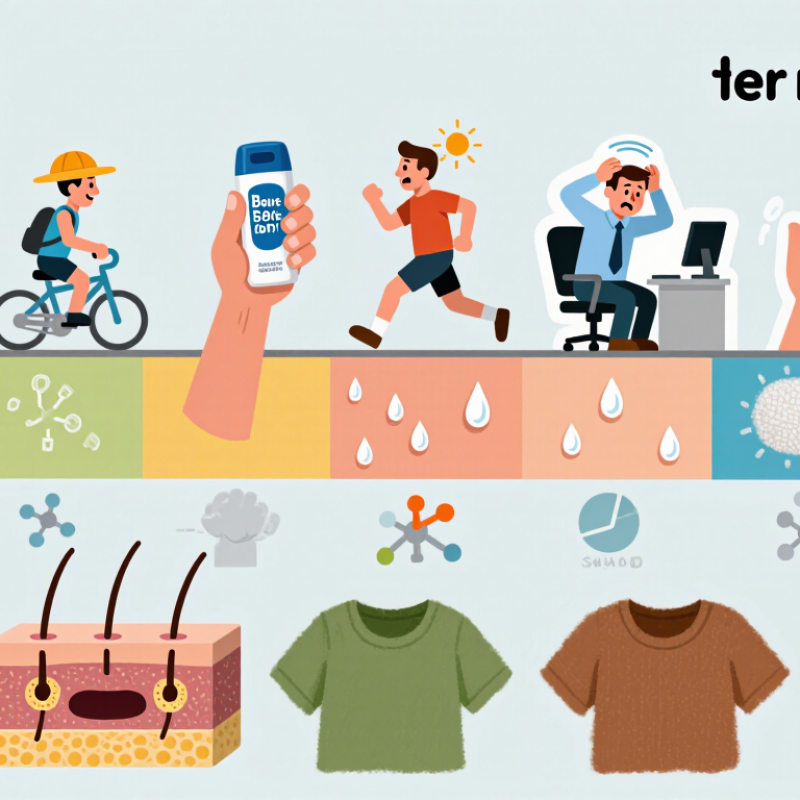
How to Keep Deodorant Working All Day Why It Stops?
Distinguish Odor Control from Sweat Reduction: How Deodorants Work
Deodorant and sweat-reducing products solve different problems. Deodorant targets odor by masking smells and limiting odor-causing bacteria on the skin. It does not usually stop sweat. Sweat reduction comes from antiperspirant ingredients that temporarily block some sweat ducts. This difference explains many disappointing results. You may feel damp but smell fresh, or stay dry while odor develops.
Odor often returns after exercise, stress, heat, or several hours in tight clothing. Skin bacteria can break down sweat into stronger-smelling compounds. Friction may also remove product from the underarm area. In my experience, applying deodorant immediately after showering is not always enough. Damp skin can weaken coverage. Letting the area dry completely often helps.
Tips: Apply sweat-reducing products to clean, dry skin, preferably at night. Overnight use gives the ingredients more time to settle. Use deodorant in the morning if odor control is your main goal. Reapply after heavy exercise, but avoid covering irritated or freshly shaved skin. A small amount is usually sufficient. More is not always better. Wash shirts regularly, especially synthetic fabrics that can hold odor. If burning, rash, or persistent odor appears, stop using the product and ask a healthcare professional. Personal chemistry varies, and one routine may need adjustment.
Distinguish odor control from sweat reduction
Deodorants are designed to control body odor by reducing or masking odor and limiting the activity of odor-producing bacteria. They do not stop sweating. Antiperspirants use aluminum-based active ingredients to temporarily reduce sweat reaching the skin, but a product labeled only as an antiperspirant is not necessarily formulated for odor control. Combination products are designed to address both concerns.
Odor or wetness may return during the day when the product wears away through washing, heavy sweating, friction, or transfer to clothing. Applying the product to clean, completely dry skin and following the label directions can help improve performance.
Your skin contains roughly 2–4 million sweat glands. The International Hyperhidrosis Society reports that most are eccrine glands, which release watery sweat for cooling. They are active across the body, especially during heat, exercise, stress, or illness. Sweat itself usually has little smell. Skin bacteria create much of the noticeable odor.
Protection can fade when sweat production rises faster than the product’s effect. Antiperspirant ingredients temporarily reduce moisture near the gland openings. Deodorant mainly controls odor, rather than stopping sweat. A 2023 review in the Journal of Clinical and Aesthetic Dermatology explains that heat, friction, and anxiety can increase sweating despite regular use. Clothing can also trap moisture against the underarms. That warm, damp fabric becomes an uncomfortable odor amplifier.
Dry skin matters. Applying an antiperspirant to damp skin may dilute it and increase irritation. The American Academy of Dermatology Association recommends applying antiperspirant to dry skin, often before bed, when sweating is lower. Wash the area gently, dry it fully, and reapply according to the product directions. Reapplying repeatedly is not always better. It may irritate sensitive skin. That assumption deserves more caution. Persistent, sudden, or excessive sweating should be assessed by a qualified healthcare professional, because it can have causes beyond ordinary body odor.
How to Keep Deodorant Working All Day Why It Stops?
A deodorant may control odor without reducing sweat. An antiperspirant uses an aluminum-based active ingredient to temporarily limit sweat at the skin surface. Its performance depends on more than a strong feeling. Check the Drug Facts label and compare the active ingredient with FDA-recognized antiperspirant standards. Common ingredients include aluminum chlorohydrate, aluminum chloride, and aluminum zirconium salts. Each has its own permitted concentration range. A higher percentage is not automatically better. The ingredient type matters too.
Apply antiperspirant to completely dry skin, preferably before bed. Overnight, sweat levels are often lower, giving the active ingredient more time to work. I once applied it after showering, while my underarms were still damp. It stung, and the protection faded quickly. That mistake changed my routine. Wait until the skin is dry, then use a thin, even layer. More product can increase irritation without adding reliable protection.
Read the label carefully. Some products contain fragrance, which may mask odor but cannot reduce sweating. If burning, swelling, or persistent redness appears, stop using the product and seek professional medical advice. FDA monograph details can change, so current official information deserves more trust than online percentage charts. Even then, personal response varies. Skin, climate, exercise, and stress can all affect results.
How to Keep Deodorant Working All Day: Why It Stops
Odor control often fails before the product itself does. Skin may still hold sweat, oil, and bacteria after a quick shower. These residues can weaken even, fresh application. Wash your underarms with mild soap, then rinse thoroughly. Pat them dry instead of dressing immediately. Moisture matters more than many people expect.
Apply deodorant only when the skin is completely dry. A damp surface can dilute the formula and prevent even coverage. Use enough to cover the whole underarm, but avoid repeated heavy layers. More product does not always mean better protection. If the product is an antiperspirant, applying it at night may improve results because sweat levels are often lower during sleep. Follow the product’s directions, especially if your skin reacts easily.
A 24-hour claim describes intended performance, not a personal guarantee. Heat, exercise, stress, tight clothing, and hormonal changes can shorten protection. I used to reapply over sweaty skin during the day. That felt practical, but it mostly mixed new product with old moisture. A quick wash and complete drying worked better. Still, irritation can also cause problems. Stop using a product if burning, swelling, or a persistent rash appears. I sometimes rush this routine, especially after morning workouts, and that is probably why results vary. Freshly cleaned, fully dry skin remains the most reliable starting point.
| Factor | Recommended Practice | Why It Matters | Expected Result | Reliability |
|---|---|---|---|---|
| Clean skin | Wash the underarms and remove old product, sweat, and oil before applying. | Body odor develops mainly when skin bacteria break down compounds in sweat. Residue can also interfere with even product coverage. | More consistent odor control and fewer areas where product is blocked by buildup. | High |
| Completely dry skin | Pat the underarms dry and wait until no moisture remains before application. | Water and sweat can dilute the product and make it spread unevenly. Moisture may also increase the chance of stinging or irritation. | More reliable contact with the skin and better product performance. | High |
| Product type | Choose an antiperspirant when reducing sweat is important. Choose a deodorant when the main goal is odor control. | Antiperspirants use active ingredients that temporarily reduce sweat reaching the skin surface. Deodorants generally control odor without reducing the amount of sweat. | Better alignment between the product and the reason odor or wetness is occurring. | High |
| Application timing | For many antiperspirants, apply at night to clean, dry skin and wash normally in the morning if desired. Follow the product label. | Lower nighttime sweating can allow the active ingredient to remain in contact with the sweat ducts for longer. | Potentially stronger sweat control than applying immediately before heavy activity. | Moderate to High |
| Full coverage | Use a thin, even layer over the entire underarm area instead of concentrating product in one spot. | Uneven application leaves untreated skin where odor or sweat can continue to develop. | Fewer odor “hot spots” during the day. | High |
| Drying after application | Allow the product to dry before dressing, especially when using a gel, cream, or roll-on formula. | Clothing can remove wet product before it forms an even layer and may increase friction or transfer. | Longer-lasting coverage and less residue on clothing. | Moderate |
| Exercise and heat | Reapply only as directed after intense exercise, swimming, or washing the underarms. | Water, friction, and heavy sweating can remove or dilute surface deodorant. No product can guarantee identical protection during all activity levels. | Restored odor control after conditions that reduce the original application. | Moderate |
| Skin irritation | Do not apply to broken, freshly shaved, or irritated skin. Stop use if burning, swelling, or a persistent rash develops. | Irritated skin is more sensitive to fragrance, alcohol, and other ingredients. Discomfort can make regular use difficult. | Improved comfort and a lower risk of avoidable irritation. | High |
| Clothing hygiene | Wear clean, breathable clothing and wash garments that retain underarm odor. | Odor compounds and bacteria can remain in fabric and transfer back to clean skin, making the product seem less effective. | Less odor transfer and better perceived all-day freshness. | Moderate |
| “24-hour” claim | Treat 24-hour protection as a product-test claim, not a guarantee for every person or situation. | Performance varies with sweat rate, temperature, activity, skin chemistry, washing, product type, and application technique. | More realistic expectations and better results when label directions are followed. | High |
Practical rule: clean the underarms, dry them completely, apply the appropriate product evenly, and follow the label instructions. Persistent or unusually strong body odor, excessive sweating, or a recurring rash may require medical advice.
How to Keep Deodorant Working All Day: Why It Stops
Deodorant can fade when sweat, heat, and movement remove it from the skin. Stress may also change body odor because stress sweat contains different compounds.
After exercise, shirts can hold moisture and odor-producing bacteria against your underarms.
A quick shower works best, but a careful wipe and complete drying can help when bathing is unavailable. Keep skin dry.
Reapply after intense exercise, long outdoor exposure, or a stressful event that causes heavy sweating.
Do not simply layer deodorant over damp, unwashed skin. That may trap odor instead of controlling it.
If you use an antiperspirant, apply it to dry skin as directed, often before sleep. Deodorant mainly manages odor, while antiperspirant reduces sweat.
Tips:
Carry a small towel and clean shirt for busy days. Wipe your underarms, wash when possible, and wait until the skin is dry. Reapply lightly rather than repeatedly rubbing thick layers.
I used to blame the product when odor returned, but my wet shirt was often the real problem. Still, results vary with skin, hair, climate, and activity.
Fragrance can also irritate sensitive skin, so stop using a product that causes burning or a rash. Persistent odor changes deserve medical advice, especially with itching, pain, or unusual sweating.
Usually, no. Deodorant mainly controls odor and limits odor-causing bacteria. You may still feel damp.
Antiperspirant reduces sweat by temporarily blocking some sweat ducts. It does not always control odor by itself.
Apply them to clean, completely dry skin, preferably before sleep. Overnight use gives the ingredients more time to settle.
Use deodorant in the morning when odor control is your main concern. A small amount is usually enough.
Sweat, heat, and movement can remove product from the underarms. Wet shirts may hold moisture and odor-producing bacteria close to your skin.
It is better to wipe the area and dry it first. Layering product over damp, unwashed skin may trap odor.
Carry a small towel and a clean shirt. Change shirts after heavy sweating, especially when wearing synthetic fabric.
Stop using it on irritated or freshly shaved skin. Seek healthcare advice if burning, rash, itching, pain, or unusual sweating continues.
Results vary with skin, hair, climate, activity, and personal chemistry. Some trial and error remains. I once blamed the product, but my wet shirt was often the real problem.
Keeping deodorant effective all day starts with understanding the difference between odor control and sweat reduction. Deodorants help limit odor-causing bacteria and mask unpleasant smells, while antiperspirants use aluminum-based active ingredients to temporarily reduce perspiration. Since the body contains approximately 2–4 million sweat glands, heat, exercise, stress, and normal bacterial regrowth can gradually weaken protection. This is why many people ask, “why does my deodorant stop working afternoon?”
For more reliable 24-hour control, choose an antiperspirant with an aluminum active level consistent with FDA-recognized antiperspirant standards, when appropriate for your needs. Apply it to clean, completely dry skin so the product can work more effectively and remain in place. If protection fades after physical activity, hot weather, stress, or heavy sweating, reapplication may help after washing and drying the area. If odor returns quickly despite consistent use, reassess whether you need stronger sweat reduction, better application timing, or a formula that suits your skin and daily routine.
