Cracked heels often begin as dry, thickened skin around the heel’s edge. Standing for long hours, wearing open-backed shoes, and walking barefoot can increase pressure and friction. The skin may then split, especially when it has lost moisture. Sometimes, the cause is less obvious. Eczema, psoriasis, diabetes, or thyroid problems can also contribute, so persistent cracks deserve attention.
Podiatrist Dr. Emily Splichal is known for her work in foot health. A practical takeaway, paraphrased rather than presented as her exact words, is: “Treat the dry skin and reduce the pressure that keeps reopening it.” That distinction matters. Cream alone may not solve a crack if footwear and daily habits continue irritating the heel.
For mild cases, apply a thick, fragrance-free moisturizer after bathing, while the skin is slightly damp. Urea-based creams can soften hard skin; follow the product directions. Choose closed, supportive shoes. Avoid cutting thick skin with blades or using harsh treatments. Small changes help. If a crack bleeds, becomes red or swollen, or hurts when you walk, seek medical advice. People with diabetes or poor circulation should check with a clinician before treating cracked heels at home. This guide explores what causes cracked heels and how to cure them, while showing when home care may not be enough. The answer is not always simple. Some habits are easy to miss.
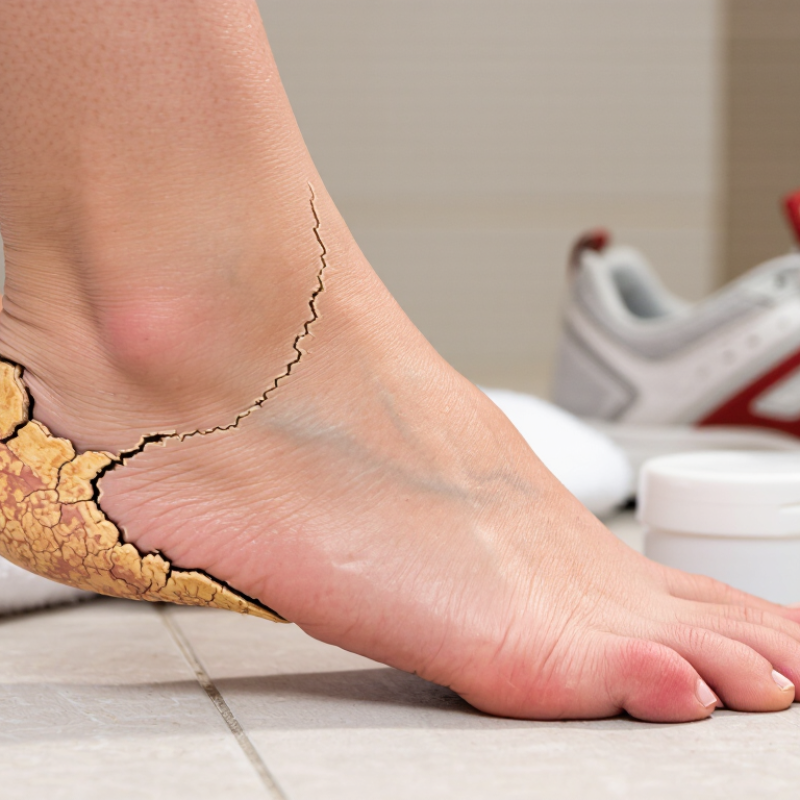
Cracked heels are splits in the skin around the heel, often beginning in a dry, thickened patch of skin. They develop when this skin loses moisture and flexibility, then bears repeated pressure as you stand or walk. The outer layer may harden and widen. A small line can deepen into a painful fissure.
The process is often gradual. Dry air, long periods on your feet, and shoes that leave the heel exposed can contribute. Extra pressure may also play a role. Sometimes, an underlying condition such as eczema, psoriasis, or diabetes affects the skin or its healing. A rough, pale edge around the heel is common, but redness, warmth, or drainage needs attention.
Gentle care can help protect uncomplicated cracks: wash and dry the feet, apply a thick, fragrance-free moisturizer, and wear supportive shoes. Avoid cutting thick skin yourself; it can cause injury. I can’t tell from appearance alone what caused a particular crack. If a fissure is deep, bleeding, very painful, or not improving, seek advice from a healthcare professional. People with diabetes or poor circulation should get foot changes checked promptly.
Cracked heels usually start when the skin around the heel becomes dry, thick, and less flexible. With each step, pressure pushes the heel outward, and stiff skin may split. The cracks can sting or bleed. Small details matter.
Common causes include dry weather, long hot showers, and soaps that strip natural oils. Standing for hours, especially on hard floors, adds pressure. Open-backed sandals can let heel skin spread and rub. Repeated friction may build a hard callus, which is more likely to crack. Not always. Eczema, psoriasis, and other skin conditions may also contribute. Diabetes or reduced circulation can make foot problems harder to heal, so persistent cracks deserve extra attention.
Applying a thick, fragrance-free moisturizer after bathing can soften dry skin; products containing urea may help some people. Wear supportive, closed-back shoes, and avoid picking or cutting hardened skin at home. That can worsen a split. If a crack is deep, red, swollen, draining, or painful, seek medical advice. People with diabetes should contact a clinician early, even when a fissure looks minor.
Heel fissures often begin when skin loses moisture and becomes less flexible. Dry indoor air, hot showers, and harsh soaps can worsen dryness. Open-backed shoes offer little support, while thin sandals may let heel fat spread under pressure. Long hours standing, especially on hard floors, add repeated stress. Higher body weight can increase that load. Small cracks may deepen over time.
Some health conditions deserve closer attention. Diabetes can reduce sensation and circulation, so a person may not notice a crack worsening. The CDC’s National Diabetes Statistics Report estimated that 38.4 million people in the United States had diabetes in 2021. That figure does not measure heel fissures, but it shows why foot checks matter. A 2017 systematic review in Diabetes/Metabolism Research and Reviews estimated diabetic foot ulcer prevalence at 6.3% worldwide. Ulcers are not the same as heel cracks; the statistic signals a related risk, not a prediction.
Check heels after bathing, when the skin is dry, and look for redness, bleeding, or tenderness. Moisturizer can help prevent dryness, but avoid applying it between the toes. Fit matters. Shoes should hold the heel without rubbing. People with diabetes, numbness, or deep, painful cracks should seek clinical advice rather than trimming thick skin at home. It is easy to underestimate a small split.
Examine your heels in bright light after washing and drying them. Look for dry, thickened skin and note whether cracks are shallow or extend into tender tissue. A thin surface line may sting when you walk. Deeper splits can bleed or make standing painful. Check both heels, including the edges, where pressure often builds. A mirror can help. It is easy to miss a small crack.
Watch for redness spreading beyond the fissure, warmth, swelling, pus, a bad smell, or increasing pain. These may signal infection and need prompt medical assessment. Fever is urgent. If you have diabetes, reduced sensation, or poor circulation, contact a clinician early, even when a crack seems minor. You may not feel worsening damage.
For mild dryness, soak briefly in lukewarm water, pat dry, then apply a thick, fragrance-free moisturizer. Products containing urea can soften rough skin; avoid applying them inside open, painful cracks unless a clinician advises it. Petroleum jelly and cotton socks overnight may help seal in moisture. Avoid cutting thick skin with blades. That can make a small problem worse. If cracks deepen, bleed repeatedly, or fail to improve after one or two weeks of care, seek professional advice. Heel skin can be stubborn, and home care does not always address the cause.
How to read this chart: The levels are a practical guide, not a validated score or a measure of how common each symptom is. Mild dryness without open cracks can often be managed with regular moisturizer and gentle foot care. Deep, painful, or bleeding cracks should be assessed by a healthcare professional. Seek prompt medical advice for signs of infection, such as spreading redness, warmth, swelling, or pus. People with diabetes or poor circulation should contact a clinician about foot cracks.
Cracked heels often begin when dry, thick skin loses flexibility and splits under pressure. Long hours standing, open-backed shoes, and dry weather can make this worse. The cracks may sting when you walk. Deep or bleeding splits need more care than simple dryness.
Wash your feet gently, then pat them dry, especially around the heels.
Within a few minutes, apply a thick, fragrance-free moisturizer; creams containing urea can soften rough skin.
At bedtime, add petroleum jelly and wear cotton socks. It feels a little awkward at first.
Once or twice weekly, gently smooth thick skin with a foot file after bathing. Never cut it with a blade.
Choose closed, supportive shoes that fit well, and avoid walking barefoot on hard floors. Change damp socks.
These steps take consistency, and improvement may be gradual.
If a crack becomes red, swollen, warm, or drains fluid, seek medical advice. People with diabetes, poor circulation, or reduced foot sensation should ask a clinician before treating cracked heels at home.
Heel skin can become dry, thick, and less flexible. Standing and walking then push the heel outward. Dry weather, long hot showers, and hard floors may contribute. Small details matter.
They often begin as a rough, dry patch. Repeated pressure can widen a small split into a deeper fissure. It can sting.
Wash your feet gently and pat them dry, especially around the heels. Apply a thick, fragrance-free moisturizer soon after bathing. At bedtime, petroleum jelly and cotton socks may help. It may feel awkward at first.
Gently smoothing thick skin once or twice weekly after bathing may help. Never cut hardened skin with a blade. People with diabetes or poor circulation should ask a clinician before home treatment.
Choose supportive, well-fitting shoes with closed backs. Open-backed sandals may let heel skin spread and rub. Avoid walking barefoot on hard floors.
Get advice if a crack is deep, bleeding, very painful, or not improving. Redness, swelling, warmth, or drainage also needs attention. Not always.
Yes. Foot problems may heal more slowly or become harder to manage. Contact a clinician early, even if a crack looks minor.
Moisturize regularly, change damp socks, and reduce repeated pressure where possible. Improvement may be gradual. Consistency is the tricky part; it is easy to skip a night.
Cracked heels develop when the skin around the heel becomes dry, thick, and less flexible. Pressure from standing or walking can make this hardened skin split, especially when the heel’s natural fat pad spreads outward. Common contributors include dry weather, long periods on your feet, open-backed shoes, and frequent hot showers. Conditions that affect skin or circulation may also increase the risk. Understanding what causes cracked heels and how to cure them starts with noticing early dryness and rough, thickened skin before fissures deepen.
For mild cracks, soak feet briefly in warm water, gently smooth thick skin with a foot file, and apply a rich moisturizer regularly. Wearing closed, supportive shoes and avoiding harsh scrubbing can help prevent recurrence. Seek medical advice if a crack is deep, very painful, bleeding, swollen, or shows signs of infection, or if you have diabetes or reduced sensation in your feet.
