Why Does My Body Itch After Showering Top 10 Causes?

Time:2026-08-11 Author:Isabella
0%

Many people experience discomfort after showering. They ask, "Why does my body itch after shower?" This common issue can stem from various causes. Understanding the reasons behind this condition is crucial for finding relief.

Dry skin is a frequent culprit. The hot water can strip natural oils from the skin. This can lead to irritation and itchiness. Additionally, certain soaps and body washes can exacerbate the problem. Harsh ingredients may irritate sensitive skin. Environmental factors, like low humidity, also play a role.

Allergies to specific products are another possibility. Some individuals react negatively to shampoos or shower gels. This can lead to redness and discomfort. Even hard water can contribute. Mineral deposits may leave the skin feeling dry and itchy. Exploring these causes helps in managing and alleviating this common issue effectively.
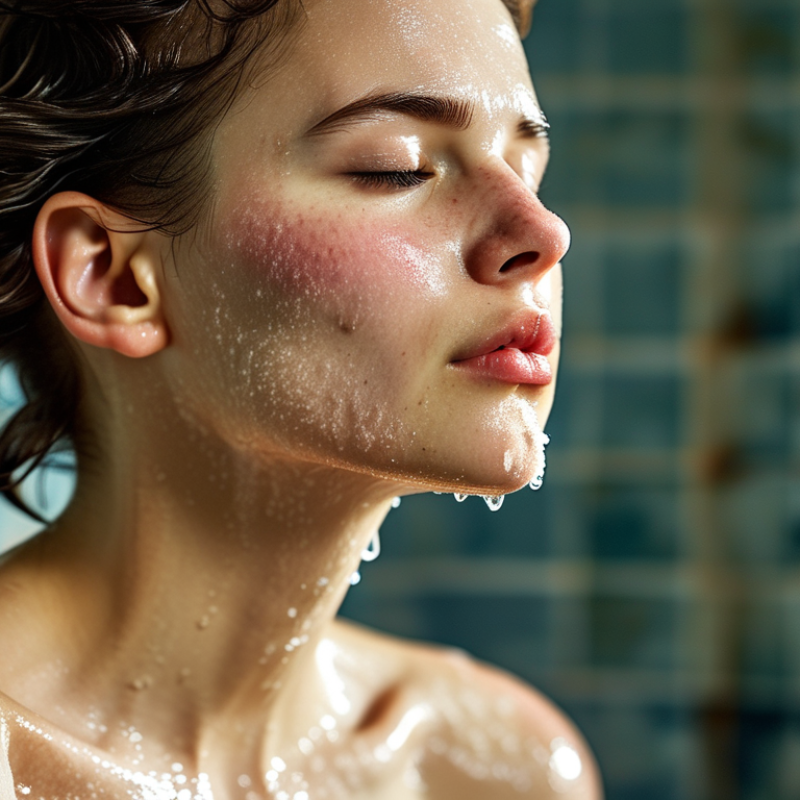
Why Does My Body Itch After Showering Top 10 Causes?

Causes of Itching After Showering: An Overview

Experiencing itching after a shower is common, and various factors contribute to this discomfort. The skin can become dry from hot water, which strips away natural oils. This can lead to irritation and an itchy sensation. In addition, it’s not just the temperature; many people have sensitivities to shower products, including soaps and shampoos. These can contain fragrances or preservatives that trigger allergic reactions.

Another potential cause lies in water quality. Hard water, which contains high mineral levels, can affect how skin feels post-shower. The minerals may leave residues that irritate the skin. Environmental factors, such as low humidity, can also exacerbate dryness. Sometimes, underlying health conditions like eczema or psoriasis can result in itching. Stress can worsen these symptoms too, creating a loop of discomfort.

In summary, multiple elements contribute to post-shower itchiness. Identifying irritants is crucial. Consider trying gentler products or showering with cooler water. Reflections on these aspects can lead to better skin health and comfort after bathing.

Itching After Showering: Top 10 Causes

Dry Skin: How Water Temperature Affects Skin Hydration

Taking a shower can be refreshing, yet many experience itching afterward. One major factor at play is the water temperature. Hot water feels great, but it strips natural oils from the skin. This can lead to dryness and irritation. The skin's barrier becomes compromised, making it less able to retain moisture. Using lukewarm water can help prevent this. It cleans without extreme dryness.

Many people overlook hydration. After hot showers, skin can feel tight and flaky. This indicates dehydration. While applying lotion may help, it's essential to hydrate from the inside too. Drinking adequate water throughout the day is crucial. Not everyone realizes this simple step can improve their skin's condition. Consider it a dual approach to skin health.

Temperature matters, but so does the duration spent in the shower. Long showers can worsen dryness. Limiting shower time can be beneficial. Wetting the skin is important, but staying in the hot water for too long can create problems. It is a delicate balance between cleanliness and skin health. Reflecting on these habits might lead to better outcomes.

Allergic Reactions: Common Shower Products That Trigger Itching

Many people experience itching after showering due to allergic reactions to common shower products. Ingredients in shampoos, conditioners, and body washes are often culprits. A 2021 report found that more than 30% of individuals have sensitive skin, making them prone to such reactions.

Fragrances are frequently added to shower products. However, they can trigger allergic responses. A study revealed that 20% of patients with dermatitis reported fragrance as a common allergen. Additionally, preservatives like parabens can cause irritation. These substances are essential for product longevity but can lead to adverse skin reactions in some individuals.

Even natural ingredients can cause issues. For instance, coconut oil and essential oils, while popular, may result in contact dermatitis. A surprising percentage of users may not be aware of their sensitivities. It’s crucial to assess labels and consider patch testing new products before use. Understanding your body’s responses is key to minimizing discomfort.

Skin Conditions: Eczema and Psoriasis as Contributors to Post-Shower Itching

Eczema and psoriasis are two common skin conditions that can cause significant discomfort. After showering, the skin may feel itchy or irritated for several reasons related to these conditions. Eczema, often termed as atopic dermatitis, leads to inflammation and dryness. This is exacerbated by hot water and soap. The skin barrier weakens, leading to water loss and irritation.

Psoriasis is another contributor. This chronic condition causes skin cells to build up, forming thick, red patches covered with scales. When exposed to water, these patches can become more inflamed. It's not unusual to feel a tingling sensation afterward. Many people may not realize that the wrong temperature of water can irritate these conditions even further.

Hydration is essential. Moisturizing immediately after showering can help soothe the skin. Shorter, cooler showers are often recommended as well. However, people may struggle with consistency in their routines. Understanding personal triggers can be challenging. It requires ongoing reflection and adjustments. Identifying these factors can lead to more effective management of post-shower itching.

Environmental Factors: The Role of Humidity and Water Quality in Itching

During and after a shower, many individuals experience itching. This can often be attributed to environmental factors like humidity and water quality. High humidity levels can cause skin irritation. According to a study published by the American Academy of Dermatology, humidity above 70% can exacerbate skin conditions. The skin may feel clammy and uncomfortable, leading to the urge to scratch.

Water quality also plays a crucial role. Hard water, which contains high levels of minerals, can strip the skin of its natural oils. Research indicates that over 85% of U.S. households have hard water. This mineral buildup can leave the skin feeling dry and itchy after showering. Additionally, additives like chlorine in tap water can irritate sensitive skin. The Centers for Disease Control and Prevention reported that these chemicals can worsen skin conditions, including eczema.

Skin care experts suggest being aware of your local water supply's quality. Regularly hydrating your skin post-wash is critical. Moisturizers with natural ingredients can help to replenish lost hydration. However, these solutions may need to be adjusted based on seasonal humidity changes. Reflection on the quality of your daily routine is vital for skin health.

FAQS

: What causes itching after showering?

: Itching often results from allergic reactions to ingredients in shower products like shampoos and body washes.

Are fragrances in shower products problematic?

Yes, fragrances can trigger allergic responses. Many users report allergies related to these common additives.

How do preservatives affect skin?

Preservatives like parabens help preserve products but can irritate sensitive skin in some individuals.

Can natural ingredients cause skin issues?

Yes, ingredients like coconut oil and essential oils may lead to contact dermatitis for some users.

What skin conditions contribute to post-shower itching?

Conditions such as eczema and psoriasis can cause inflammation and dryness, leading to significant discomfort.

What environmental factors influence itchy skin?

High humidity and poor water quality can exacerbate skin irritation, making itching more likely after a shower.

How does hard water affect the skin?

Hard water strips natural oils from the skin, leaving it feeling dry and itchy after showering.

What can be done to reduce itching?

Moisturizing immediately after showering and taking shorter, cooler showers can help soothe the skin.

How can I improve my shower routine for better skin health?

Regularly assess products you use and consider local water quality. Adjust routines based on seasonal humidity changes.

Is it easy to identify skin sensitivities?

No, many people struggle to recognize their skin's triggers. Ongoing reflection and adjustments are often necessary.

Conclusion

Experiencing itching after showering can be a frustrating issue, prompting many to wonder, "why does my body itchy after shower?" There are several potential causes for this discomfort. One common reason is dry skin; water temperature can greatly affect skin hydration, and hot showers often strip the skin of its moisture. Additionally, allergic reactions to various shower products, such as soaps and shampoos, can trigger itching.

Skin conditions like eczema and psoriasis may also worsen after exposure to water, leading to increased irritation and itchiness. Environmental factors, including humidity levels and the quality of water, further contribute to this phenomenon. Understanding these underlying causes can help individuals address and alleviate the discomfort associated with post-shower itching.

Isabella

Isabella

Isabella is a dedicated marketing professional with a sharp focus on driving brand growth and engagement through strategic content creation. With an extensive background in digital marketing, she combines her passion for storytelling with her keen understanding of industry trends to deliver......