Every day, screens follow us from morning emails to late-night scrolling. DataReportal’s Digital 2024 Global Overview Report found that internet users spend more than six hours online daily. That exposure raises a practical question: how to protect skin from blue light damage without chasing exaggerated skincare claims?
Blue light, or high-energy visible light, can contribute to oxidative stress and pigmentation concerns. However, research remains limited compared with ultraviolet radiation studies. Dermatologist Dr. Dendy Engelman explains, “Blue light has been shown to induce oxidative stress in the skin.” Her comment supports caution, not panic. A phone screen is not the same as direct sunlight. Still, repeated exposure may matter for people with melasma, darker skin tones, or long screen hours.
This guide examines seven realistic strategies, including broad-spectrum sunscreen, antioxidant ingredients, shade, and healthier screen habits. The American Academy of Dermatology emphasizes daily broad-spectrum sunscreen as a core protection step. Some formulas also contain iron oxides, which may help shield against visible light. Evidence is promising, but not perfect. That distinction matters.
Think of protection as a layered routine. Apply sunscreen before commuting, lower unnecessary screen brightness, and keep devices slightly farther from your face. Reapply outdoors, especially after sweating. Blue-light glasses may reduce eye strain, but they should not replace skincare protection. Your routine does not need ten products. It needs consistency, realistic expectations, and advice from a qualified dermatologist when pigmentation persists.
Blue light is visible high-energy light, commonly defined as 400–500 nanometers. It comes mainly from sunlight, while screens provide lower-intensity exposure at close range. Research suggests HEV exposure can increase reactive oxygen species in skin. These molecules may worsen oxidative stress, inflammation, uneven pigmentation, and collagen breakdown. The evidence is still developing, especially for daily screen use.
Protection can be practical. Seek shade outdoors, and wear a wide-brimmed hat. Use broad-spectrum sunscreen consistently; tinted formulas with iron oxides may offer extra support against visible-light pigmentation. Sunglasses protect the delicate skin around your eyes. Lower screen brightness, activate night settings, and keep devices farther from your face. Take regular viewing breaks. Eat colorful foods containing vitamin C, vitamin E, and carotenoids. Support the skin barrier with a gentle cleanser and moisturizer.
Small habits matter.
I have noticed that people often blame screens while ignoring midday sunlight. That is an incomplete view. Antioxidant serums may help, but they cannot replace shade or sunscreen. Products can also irritate sensitive skin when layered carelessly. Patch testing is sensible, especially with new active ingredients. More research is needed to measure how ordinary indoor exposure affects different skin tones and conditions.
Define Blue Light: 400–500 nm HEV Exposure and Skin Oxidative Stress
High-energy visible (HEV) light occupies approximately 400–500 nm. Photon energy decreases as wavelength increases, from about 3.10 eV at 400 nm to 2.48 eV at 500 nm. Laboratory research suggests that visible light can contribute to oxidative stress and pigmentation pathways, although the real-world effect depends on exposure intensity, duration, skin type, and individual susceptibility.
7 Best Ways to Protect Skin From Blue Light Damage?
A phone screen can look bright in a dark room. Yet its blue-light output is far below direct solar exposure. Sunlight delivers much greater intensity across a broad spectrum, including ultraviolet radiation. Current evidence does not show that ordinary smartphone use causes skin damage comparable to sunlight. Studies on screen light and pigmentation remain limited, especially over many years.
Use these practical habits: apply broad-spectrum sunscreen daily, keep your screen slightly farther away, lower brightness indoors, and take regular viewing breaks. A cool screen setting may reduce visual discomfort, although it is not proven to protect skin. Keep your skin barrier comfortable with a simple moisturizer. Avoid relying on antioxidant creams as guaranteed protection; product formulas and research quality vary. Do not replace sun protection with a screen filter.
Details matter. A phone held close to the face increases exposure slightly, but the intensity is still generally modest. Dark-room use can make the display feel harsh without making it sunlight-equivalent. I have sometimes treated every blue-light concern as equally urgent, which is a poor reading of the evidence. The stronger concern remains unprotected daylight, particularly during prolonged outdoor activity. People with pigmentation disorders or light-sensitive conditions should seek advice from a qualified dermatologist, because individual risk can differ.
| Protection strategy | What the evidence shows | Practical use | Evidence level | Important limitation |
|---|---|---|---|---|
| 1. Prioritize protection from sunlight | Sunlight is the dominant everyday source of visible blue light. Outdoor solar exposure is generally much stronger than exposure from a smartphone or computer display. | Use shade, protective clothing, sunglasses, and avoid unnecessary midday sun exposure. | Strong | The exact difference depends on season, latitude, weather, device brightness, viewing distance, and exposure duration. |
| 2. Apply broad-spectrum sunscreen daily | Broad-spectrum sunscreen is well established for reducing ultraviolet damage, premature skin aging, and skin-cancer risk. Standard SPF primarily measures UVB protection and does not quantify visible-light protection. | Use a broad-spectrum product with an appropriate SPF on exposed skin, especially when outdoors. | Strong for UV; indirect for blue light | Most conventional sunscreen filters do not provide complete protection against visible blue light. |
| 3. Consider a tinted sunscreen containing iron oxides | Pigments such as iron oxides can absorb or scatter portions of visible light. Clinical evidence is most relevant to hyperpigmentation disorders, including melasma and post-inflammatory pigmentation. | Consider a visibly tinted, broad-spectrum sunscreen if pigmentation is a concern or if a dermatologist recommends it. | Moderate for pigmentation | Visible-light protection varies by pigment concentration, shade, application amount, and product formulation. |
| 4. Reduce unnecessary screen intensity | Lowering display brightness, increasing viewing distance, and taking breaks reduce the amount of light reaching the face. There is no universally accepted screen exposure threshold for skin damage. | Use the lowest comfortable brightness, increase text size instead of moving closer, and take regular visual breaks. | Reasonable precaution | This approach is sensible but has not been proven to prevent clinically significant skin aging from normal device use. |
| 5. Use physical distance or barriers | Light intensity decreases as distance from a small source increases. Keeping a device farther from the face lowers direct illumination compared with holding it very close. | Use a stand, avoid prolonged close-contact viewing, and position screens at a comfortable distance. | Practical, limited skin evidence | The inverse-square relationship is an approximation and does not describe every screen or room setup perfectly. |
| 6. Maintain a diet rich in antioxidant-containing foods | Fruits, vegetables, legumes, nuts, and other nutrient-dense foods support general skin health. Evidence that diet specifically prevents blue-light-induced skin damage is limited. | Follow a balanced diet rather than relying on high-dose supplements marketed for screen exposure. | Limited for blue light | Oral antioxidant supplements have not been established as a substitute for sun protection or as a proven treatment for blue-light damage. |
| 7. Treat blue-light filters as optional, not essential | Filters and night-mode settings can alter the spectrum or brightness of a display, but convincing clinical evidence that they prevent skin damage is currently lacking. | Use them for comfort, glare reduction, or evening screen habits if helpful, but do not rely on them as the main skin-protection method. | Insufficient for skin protection | A filter may reduce selected wavelengths without eliminating visible light or addressing outdoor ultraviolet exposure. |
Daily exposure to screens may contribute to oxidative stress, although research on visible blue light and skin remains developing. Antioxidants can help manage free radicals before they increase cellular stress. Vitamin C supports collagen production and helps brighten uneven-looking skin. Vitamin E reinforces the skin barrier and may support vitamin C’s stability. Together, they can complement a consistent skincare routine.
Choose a well-formulated vitamin C serum and apply it to clean, dry skin. Follow with vitamin E in a moisturizer if your skin tolerates richer textures. A standardized fern extract, Polypodium leucotomos, has also shown antioxidant and photoprotective potential in early research. It should support, not replace, broad-spectrum sunscreen.
Patch-test new products first. Irritation can weaken the barrier and create more visible redness. Use antioxidants consistently, rather than applying too much at once. I used to assume stronger formulas worked faster, but my skin often disagreed. Research on blue light protection is not complete, so claims deserve careful attention. A dermatologist can help assess persistent sensitivity, pigmentation, or dryness. In the evening, reduce screen brightness and keep devices slightly farther from your face. Small changes matter.
Blue light is part of visible light, which can worsen uneven pigmentation. Sunlight remains the stronger outdoor source, while screens add prolonged, close-range exposure. A clinical study in the Journal of Investigative Dermatology found that visible light triggered persistent pigmentation, especially in darker skin tones. The American Academy of Dermatology reports that SPF 30 filters about 97% of UVB rays. However, the U.S. Food and Drug Administration notes that SPF measures UVB protection, not visible-light protection.
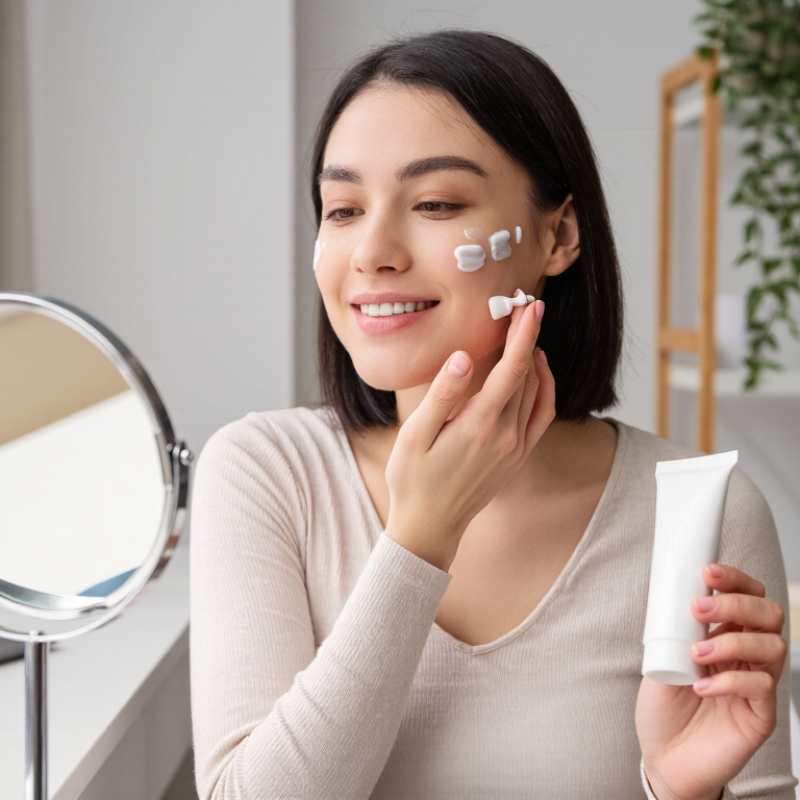
Choose a broad-spectrum sunscreen with SPF 30 or higher and iron oxides. Iron oxides create visible-light protection that ordinary, untinted formulas may not provide. Look for shades containing red, yellow, or black iron oxides. Apply a generous, even layer across the face, ears, and neck. Reapply outdoors, especially after sweating. Protection is not perfect. Shade, sunglasses, and a wide-brimmed hat still matter. People with melasma may need individualized advice from a qualified dermatologist.
Tips: Dot tinted sunscreen across your cheeks, forehead, and nose before blending. Check the ingredient list, not only the product color. If the shade looks gray, coverage may be uneven. Take a daylight selfie after application; missed areas often appear beside the nostrils and hairline. Evidence is growing, but visible-light research remains less standardized than UV research.
Blue light protection starts with a realistic morning routine. Apply a broad-spectrum sunscreen before leaving home, even on cloudy days. Choose a formula with visible-light protection if pigmentation concerns you. Reapply after sweating or spending hours outdoors. Add an antioxidant serum, such as one containing vitamin C or vitamin E, beneath your moisturizer. These ingredients may help reduce oxidative stress, but they are not a complete shield.
Your screen habits matter too. Keep your phone slightly farther from your face. Lower screen brightness when comfortable, and use a warmer display setting at night. Follow the 20-20-20 rule: every 20 minutes, look 20 feet away for 20 seconds. Take short breaks. Avoid rubbing your eyes and face after touching shared devices. Clean your screen regularly, since grime can encourage unnecessary touching.
At night, cleanse gently and moisturize to support the skin barrier. If your skin feels tight, burning, or unusually dry, simplify the routine. More products are not always better. Evidence about everyday screen exposure and skin aging remains developing, while ultraviolet exposure has stronger support. I still forget reapplication during busy afternoons. That is worth admitting. A practical routine you can repeat usually works better than an ambitious one you abandon. A dermatologist can help adjust products for sensitive skin, acne, or persistent dark spots.
Blue light is visible high-energy light, usually measured between 400 and 500 nanometers. It mainly comes from sunlight. Screens provide much weaker exposure.
Research suggests blue light may increase reactive oxygen species in skin. This could worsen oxidative stress, inflammation, uneven pigmentation, and collagen breakdown. The evidence remains incomplete.
No. Direct sunlight delivers much greater intensity across a broad spectrum. A phone held near your face adds some exposure, but usually at modest levels. Sunlight remains the stronger concern.
Seek shade during bright hours and wear a wide-brimmed hat. Apply broad-spectrum sunscreen consistently. Tinted formulas containing iron oxides may offer extra support against visible-light pigmentation.
Do not treat a screen filter as a replacement for sunscreen or shade. Lower screen brightness indoors and enable a night setting. These steps may improve comfort, but skin benefits remain unproven.
Use a gentle cleanser and a comfortable moisturizer. Take regular viewing breaks and keep screens farther from your face. Small habits matter.
Antioxidant serums may help, but they are not guaranteed protection. Formulas differ, and research quality varies. Layering too many products may irritate sensitive skin.
Colorful foods can provide vitamin C, vitamin E, and carotenoids. They may support general skin health, but they cannot replace sunscreen. Food is support, not armor.
People with pigmentation disorders or light-sensitive conditions should consult a qualified dermatologist. Individual risks can differ. I once treated every blue-light concern as equally urgent. That was incomplete.
Blue light, or high-energy visible light in the 400–500 nanometer range, can contribute to oxidative stress in the skin by encouraging free-radical activity. However, everyday exposure from phones and computer screens is generally much lower than exposure to natural sunlight. This means there is no need for alarm, but a consistent protective routine may still help support healthier-looking skin over time.
For those wondering how to protect skin from blue light damage, start with broad-spectrum SPF 30 or higher and consider products containing iron oxides, which may help reduce the effects of visible light. Antioxidants such as vitamins C and E, along with fern-derived protective ingredients, can provide additional support against environmental stress. Practical screen habits, including reducing unnecessary screen time, increasing the distance from devices, and taking regular breaks, can complement daily sunscreen and antioxidant use.
