5 Best Reasons Why Is My Skin Peeling After Retinol?

Time:2026-06-27 Author:Mason
0%

Understanding "why is my skin peeling after retinol" is essential for anyone using this popular skincare ingredient. Retinol, a derivative of vitamin A, is renowned for its ability to boost cell turnover and improve skin texture. However, many users experience unexpected side effects, primarily skin peeling.

This peeling can be alarming and may raise concerns about the effectiveness of the product. It's vital to realize that skin peeling is not always a sign of trouble. In fact, it can indicate that the retinol is working, as delicate skin layers shed to reveal the healthier skin beneath. However, excessive peeling can be a sign of irritation or an adverse reaction.

Listening to your skin is crucial. If the peeling persists or worsens, it may be time to reassess your routine. Exploring the reasons behind this phenomenon can help you understand your skin better and tailor your approach. Knowledge is power, especially in skincare.
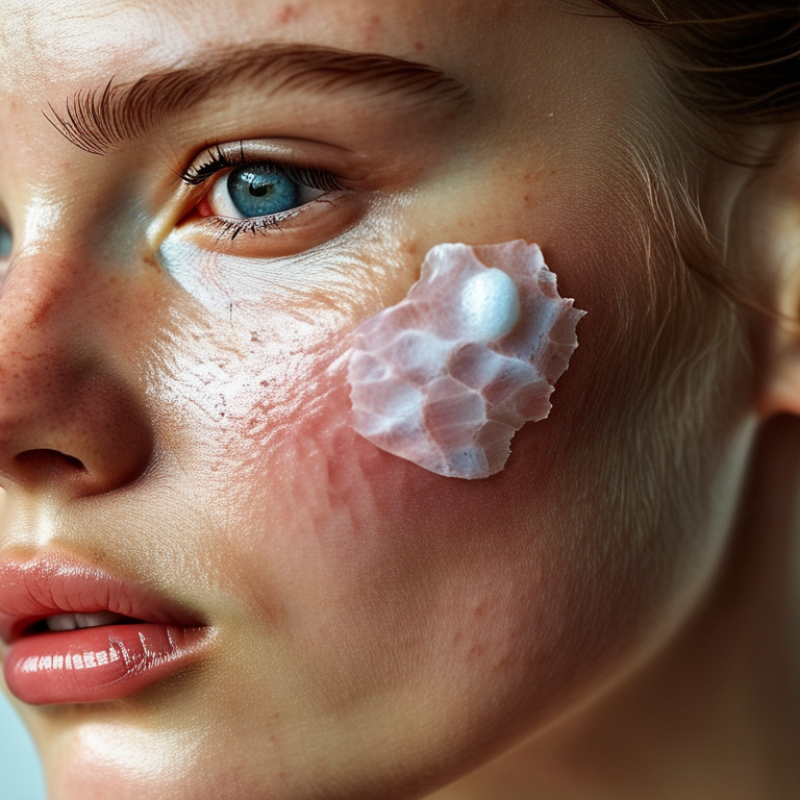
5 Best Reasons Why Is My Skin Peeling After Retinol?

Understanding Retinol and Its Effects on the Skin

Retinol, a derivative of vitamin A, is known for its powerful effects on skin health. It promotes cell turnover and enhances collagen production. This process can lead to smoother, more youthful skin. However, it's essential to understand that skin reactions are common when starting retinol. Peeling skin is one of the most frequently reported side effects. This happens because retinol accelerates skin cell shedding, leading to flakiness and dryness.

New users of retinol often overlook the importance of a gradual introduction. Many start with a high concentration, expecting immediate results. However, introducing retinol slowly helps the skin adjust. Redness and irritation are also possible. Many individuals experience these issues, which can lead to confusion. This variability in skin response emphasizes the need for personal adjustments. Hydration is crucial during this time. A good moisturizer can alleviate some dryness. It can also provide relief from peeling, making the transition smoother.

Consulting a dermatologist can provide valuable insights tailored to individual skin types. They can recommend the appropriate strength and frequency of retinol use. This expert advice can guide you in navigating common pitfalls. The journey with retinol is often one of trial and error. Listening to your skin is vital. Adjusting your routine based on its reactions can lead to better outcomes.

5 Best Reasons Why Is My Skin Peeling After Retinol? - Understanding Retinol and Its Effects on the Skin

Reason Description Suggested Solutions
Dry Skin Retinol can cause skin dryness, leading to flaking and peeling. Use a thicker moisturizer and consider applying it before retinol.
Increased Cell Turnover Retinol speeds up the skin's cell turnover process, resulting in dead skin shedding. Gradually increase retinol usage to allow your skin to adjust.
Irritation Retinol may irritate the skin, causing inflammation and peeling. Reduce frequency of application and use soothing products.
Product Formulation Different formulations may have varying effects on skin sensitivity. Experiment with different types of retinol products.
Environmental Factors Weather conditions like cold or dry air can exacerbate peeling. Use humidifiers and protect skin from harsh weather.

Common Side Effects of Retinol Usage

Retinol, a powerful ingredient in skincare, is known for its anti-aging benefits. However, many users experience skin peeling as a common side effect. This peeling results from the exfoliating properties of retinol. It encourages skin cell turnover, but it can also lead to dryness and irritation, particularly for those with sensitive skin.

Understanding this reaction is important. Peeling skin may appear flaky or red, which can be alarming. With continued use, many individuals notice a decrease in these side effects. It often takes time for the skin to adjust. A gradual introduction, starting with lower concentrations, can help minimize discomfort. Hydration is crucial during this adjustment phase. Using a rich moisturizer can help your skin cope with dryness.

Not everyone reacts the same way to retinol. While some may experience significant peeling, others might just have mild dryness. Listening to your skin is essential. If peeling persists, consider reducing usage frequency. Overuse can lead to more irritation. Consulting with a dermatologist can provide tailored advice, ensuring you benefit from retinol while minimizing discomfort.

5 Best Reasons Why Is My Skin Peeling After Retinol?

This chart illustrates the common reasons for skin peeling after retinol use, with dryness being the leading cause at 40%. Understanding these reasons can help users manage their skin effectively while using retinol products.

Reasons for Skin Peeling After Retinol Application

When starting retinol, it's common to experience skin peeling. This occurs due to increased cell turnover, which is one of retinol's primary effects. As your skin sheds its old layers, it can lead to dryness and irritation. Another reason could be using too high a concentration for your skin type, which can overwhelm sensitive skin.

Tips: Start with a lower concentration. This allows your skin to adjust gradually. Always apply a moisturizer after retinol. This can help mitigate dryness and flaking.

Sometimes, using retinol too frequently can also cause peeling. Your skin needs time to adapt. Listen to your skin. If peeling persists for weeks, consider reducing usage days. Adjusting your routine is essential for healthy skin.

Tips: Incorporate hydrating serums. Look for ingredients like hyaluronic acid. This helps provide additional moisture. Avoid combining it with other potent actives, as this can increase irritation.

Preventive Measures to Minimize Skin Peeling

Skin peeling is a common response to retinol. Understanding how to minimize this reaction is essential for maintaining healthy skin. Here are some preventive measures to consider.

Start with a lower concentration of retinol. Studies indicate that skin tolerates lower doses better, leading to fewer side effects. Introduce retinol gradually. Use it once a week initially, increasing as your skin builds tolerance. This approach allows the skin to adapt without excessive peeling.

Hydration is key. Applying a rich moisturizer can help replenish the skin's barrier. Look for creams with ceramides and hyaluronic acid to lock in moisture. Avoid using retinol on already irritated or compromised skin. "Listen to your skin," dermatologists advise. If peeling occurs, reduce usage frequency.

Keep the skin protected with sunscreen daily. Retinol can increase sensitivity to UV rays, leading to further irritation. Ensure you apply broad-spectrum sunscreen to avoid adverse reactions. Remember, achieving healthy skin is a journey, not a sprint. Maintaining patience and adjusting your routine based on your skin's responses is crucial.

When to Consult a Dermatologist About Skin Issues

Skin peeling after using retinol can be concerning. While some flaking is normal, knowing when to consult a dermatologist is crucial. If your skin becomes excessively red, inflamed, or painful, these are warning signs. A professional can assess your skin’s reaction to retinol and suggest appropriate alternatives.

It’s also essential to consider the duration of your symptoms. If peeling lasts more than a week, reach out for expert advice. Not everyone tolerates retinol well, and a dermatologist can personalize your treatment plan. They may recommend adjustments or different products suited to your skin type. This guidance can enhance your skin's health and overall appearance.

Remember that skin care is a journey. It's common to experience trial and error with products. Document your skin’s reaction and how it feels during different stages of using retinol. This practice helps you identify patterns and provides valuable information during your consultation. Strive for steady progress rather than perfection in your skin care routine.

FAQS

: What is a common side effect of using retinol?

: Skin peeling is a common side effect caused by retinol's exfoliating properties.

Why does skin peel after applying retinol?

Peeling occurs due to increased cell turnover and can lead to dryness and irritation.

How can I minimize peeling when starting retinol?

Start with a lower concentration and gradually increase it. This helps your skin adjust.

What should I do if my skin is too irritated?

Consider reducing the frequency of use until your skin recovers.

When should I see a dermatologist regarding skin issues?

Consult if your skin is excessively red, inflamed, or if peeling lasts over a week.

Is it okay to combine retinol with other active ingredients?

Avoid mixing with other potent actives, as this can increase irritation and discomfort.

Can hydration help with dryness caused by retinol?

Yes, using a rich moisturizer or hydrating serums can help alleviate dryness.

Are results from retinol immediate?

No, adjustments to skin take time. Expect a journey of trial and error.

How can I track my skin's reaction to retinol?

Document your skin's condition and feelings regularly. This helps identify any patterns.

What if I experience only mild dryness?

Even mild dryness should be monitored. Listen to your skin to avoid future issues.

Conclusion

Retinol is a potent skincare ingredient known for its ability to promote cell turnover and improve skin texture, but many users often wonder, "why is my skin peeling after retinol?" This peeling is typically a common side effect associated with retinol usage, as the skin undergoes a renewal process that can lead to dryness and flakiness. Understanding the effects of retinol is crucial, as it can help users anticipate side effects and adjust their skincare routines accordingly.

To minimize skin peeling, it's important to implement preventive measures such as starting with a lower concentration of retinol, applying it gradually, and ensuring proper hydration. Additionally, if skin peeling persists or worsens, consulting a dermatologist is advisable to address any underlying concerns and receive personalized care. By understanding these aspects, users can effectively navigate the challenges of retinol and enjoy its numerous benefits for healthier skin.

Mason

Mason

Mason is a seasoned marketing professional with a deep expertise in the company's offerings and a passion for driving brand awareness. With a strong background in digital marketing strategies, he has an innate ability to connect with diverse audiences and effectively communicate product benefits.......